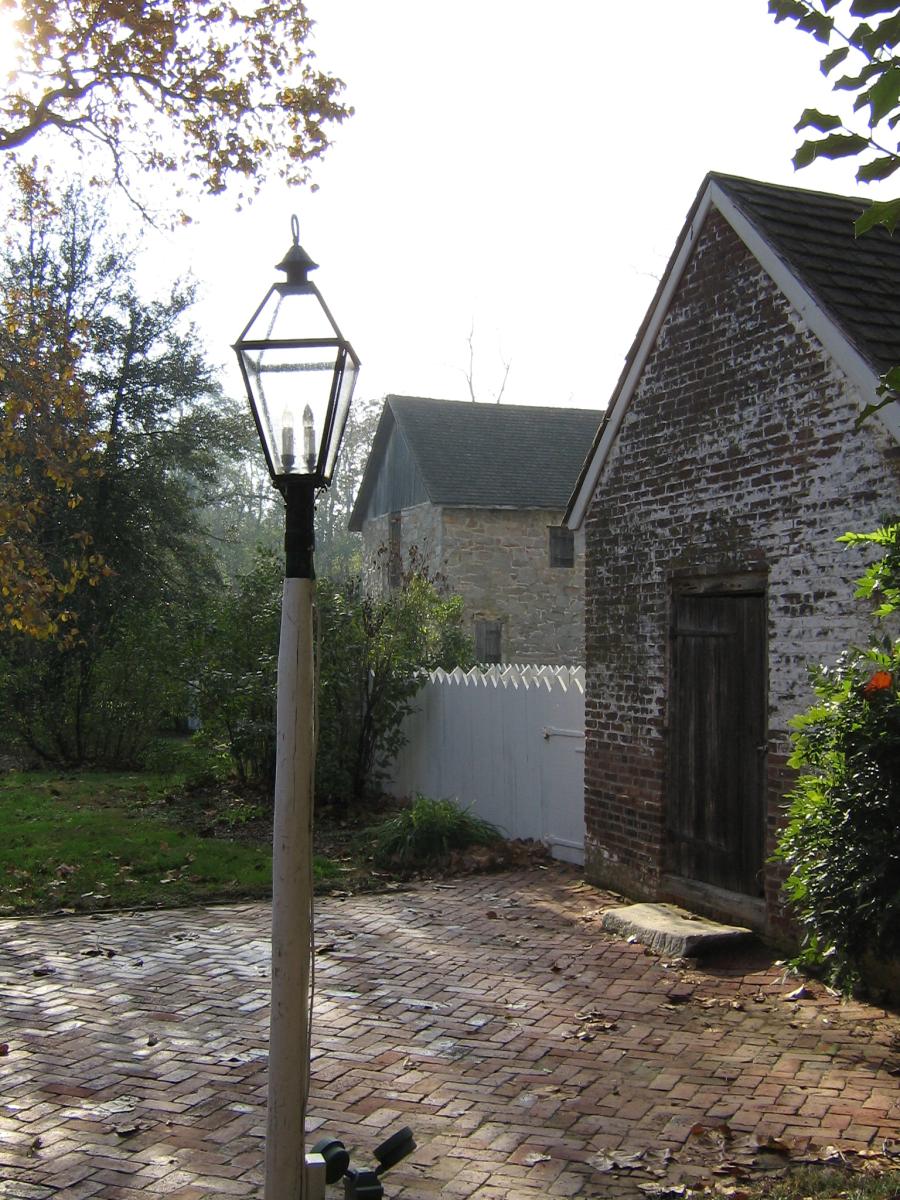
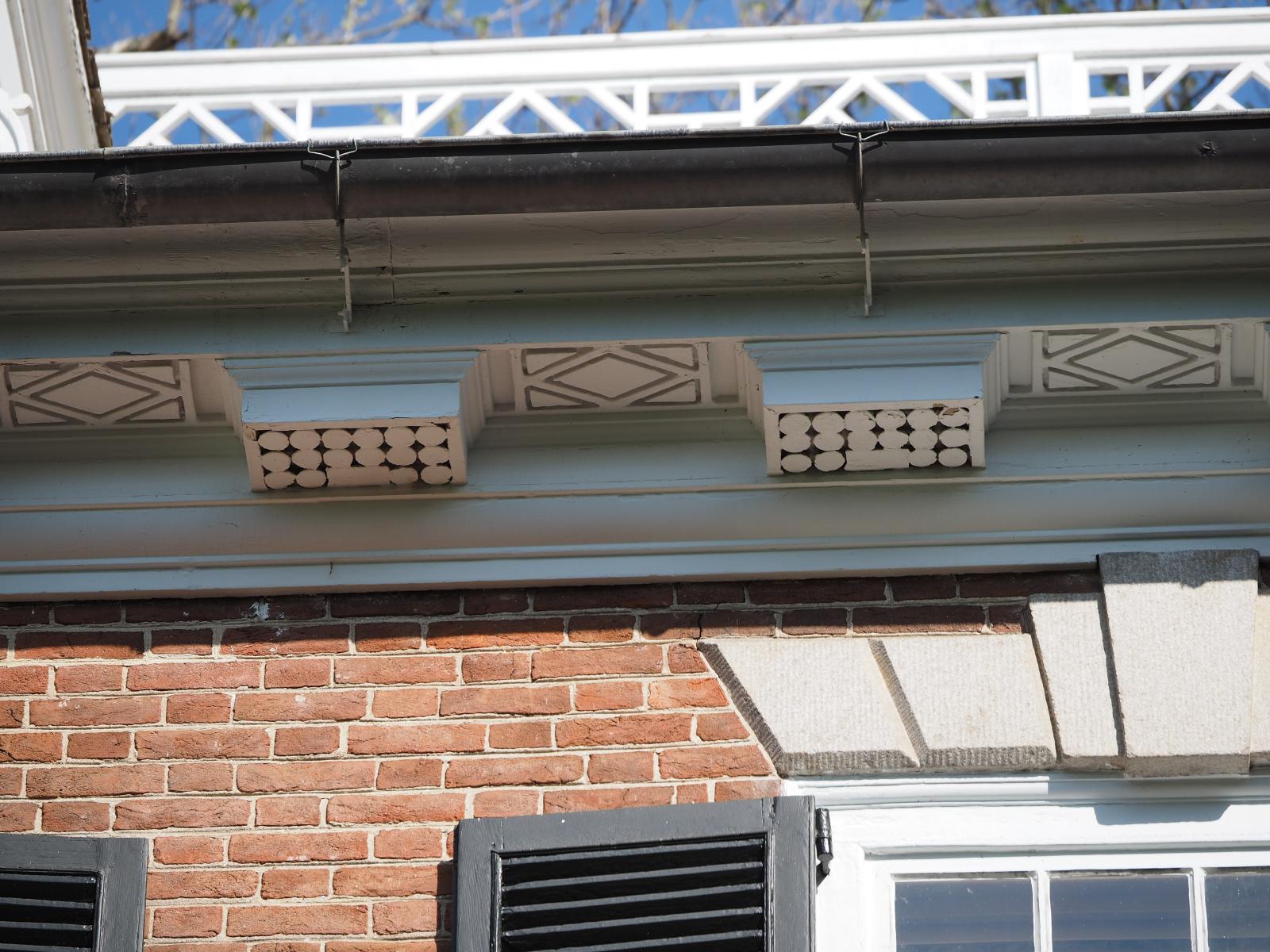
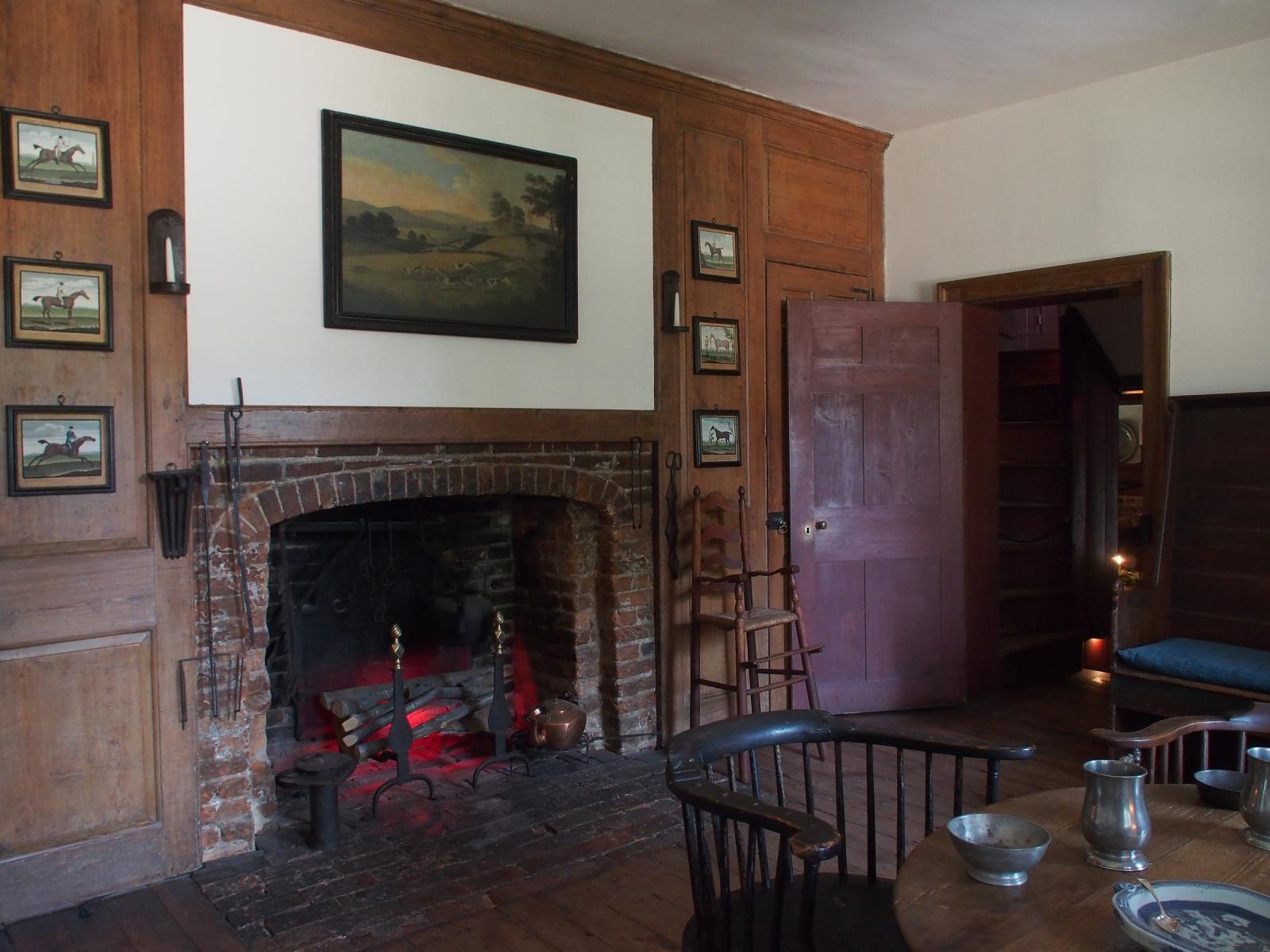
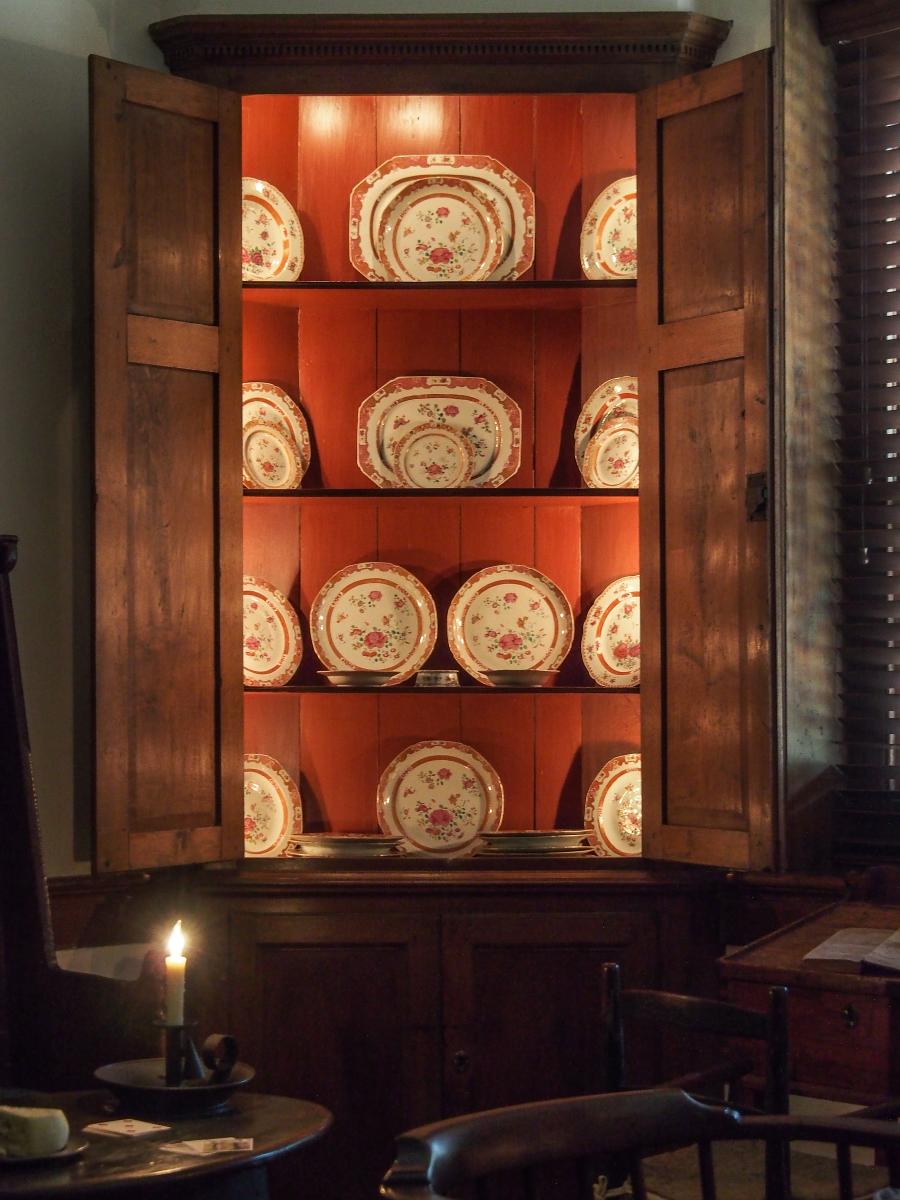
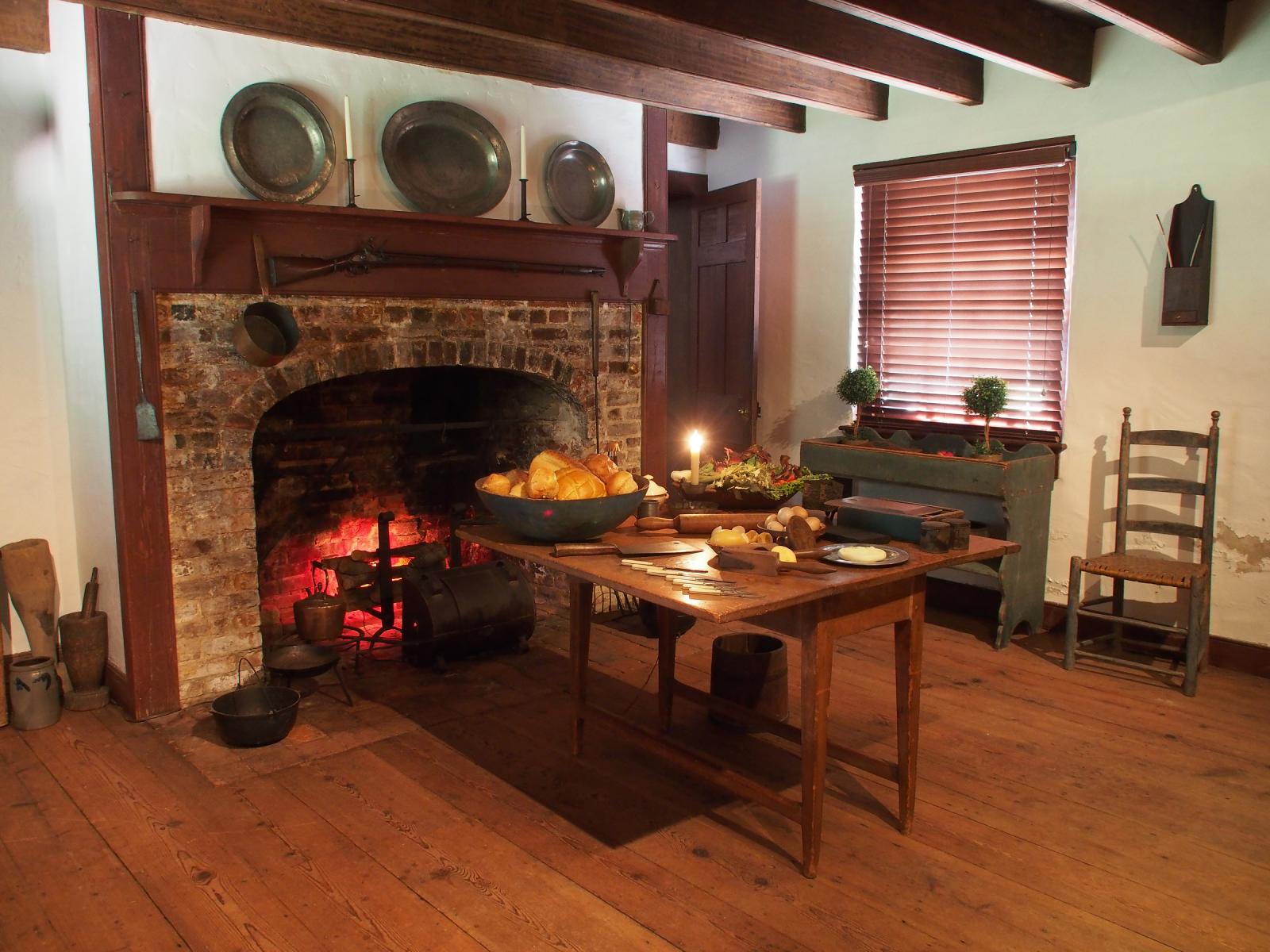
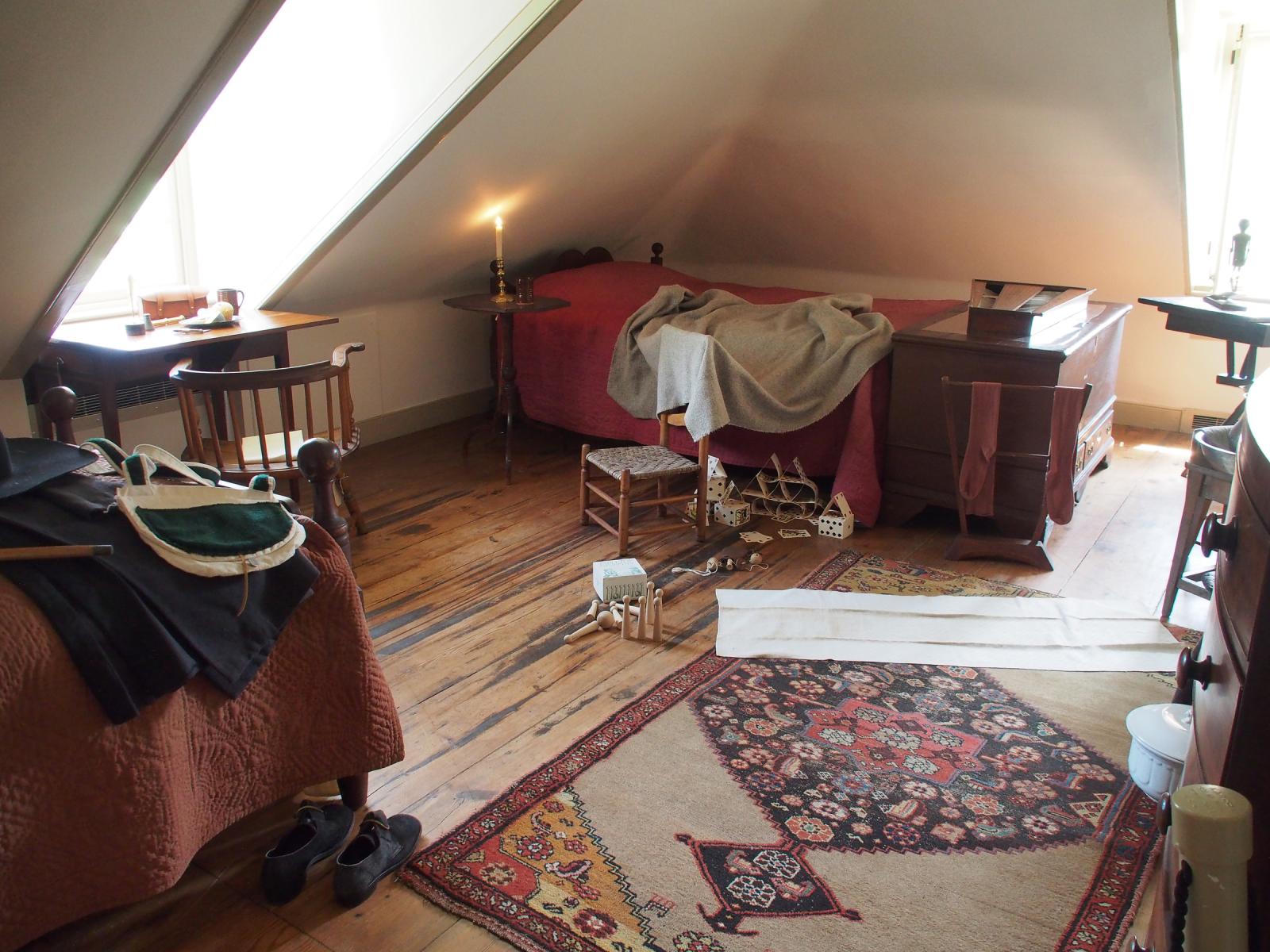
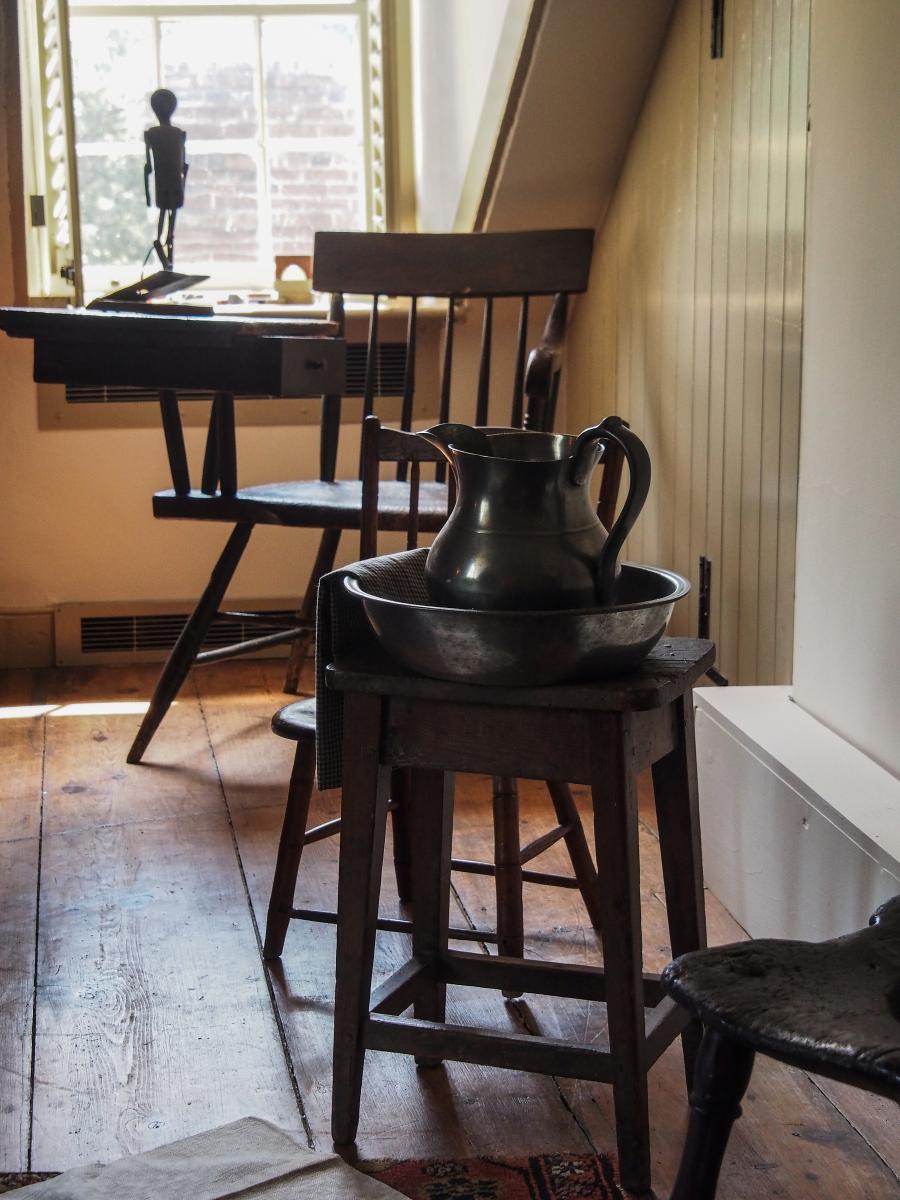
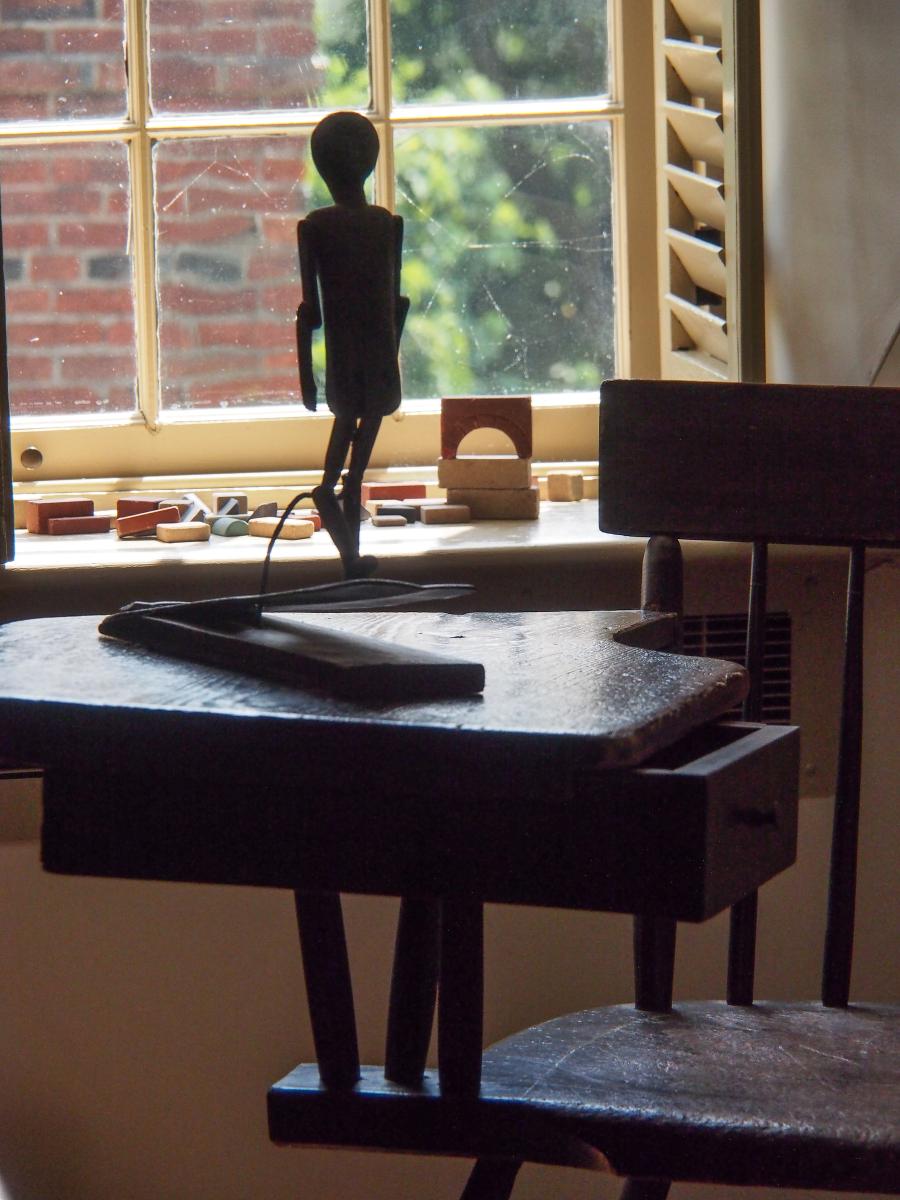
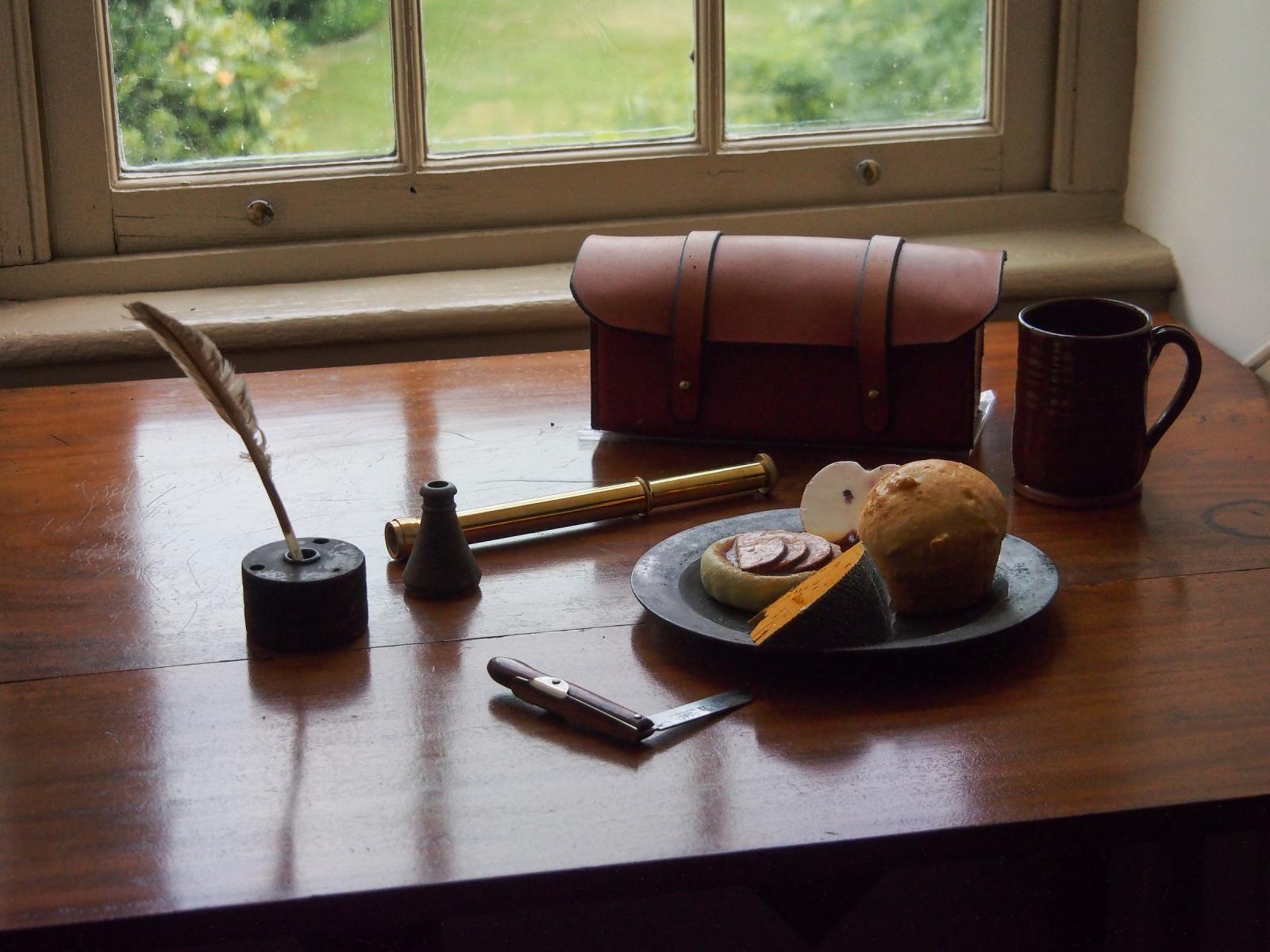
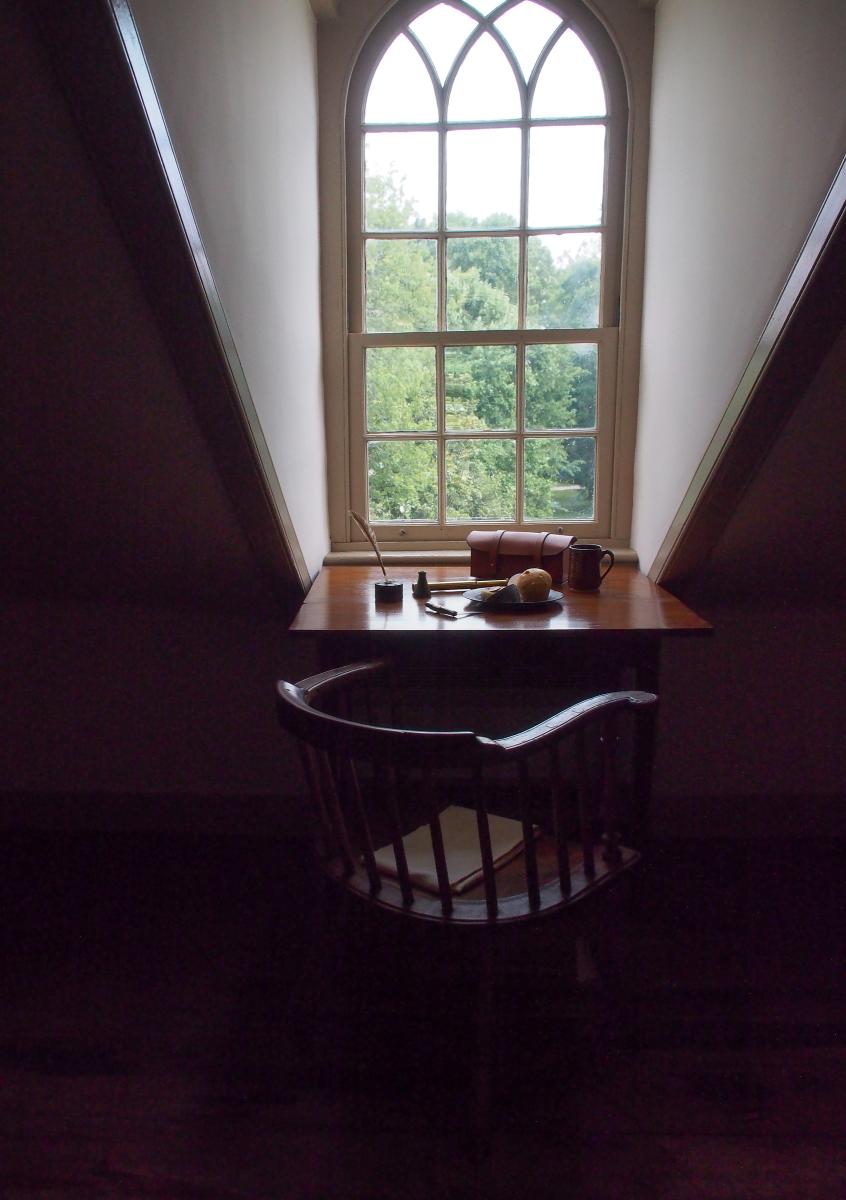
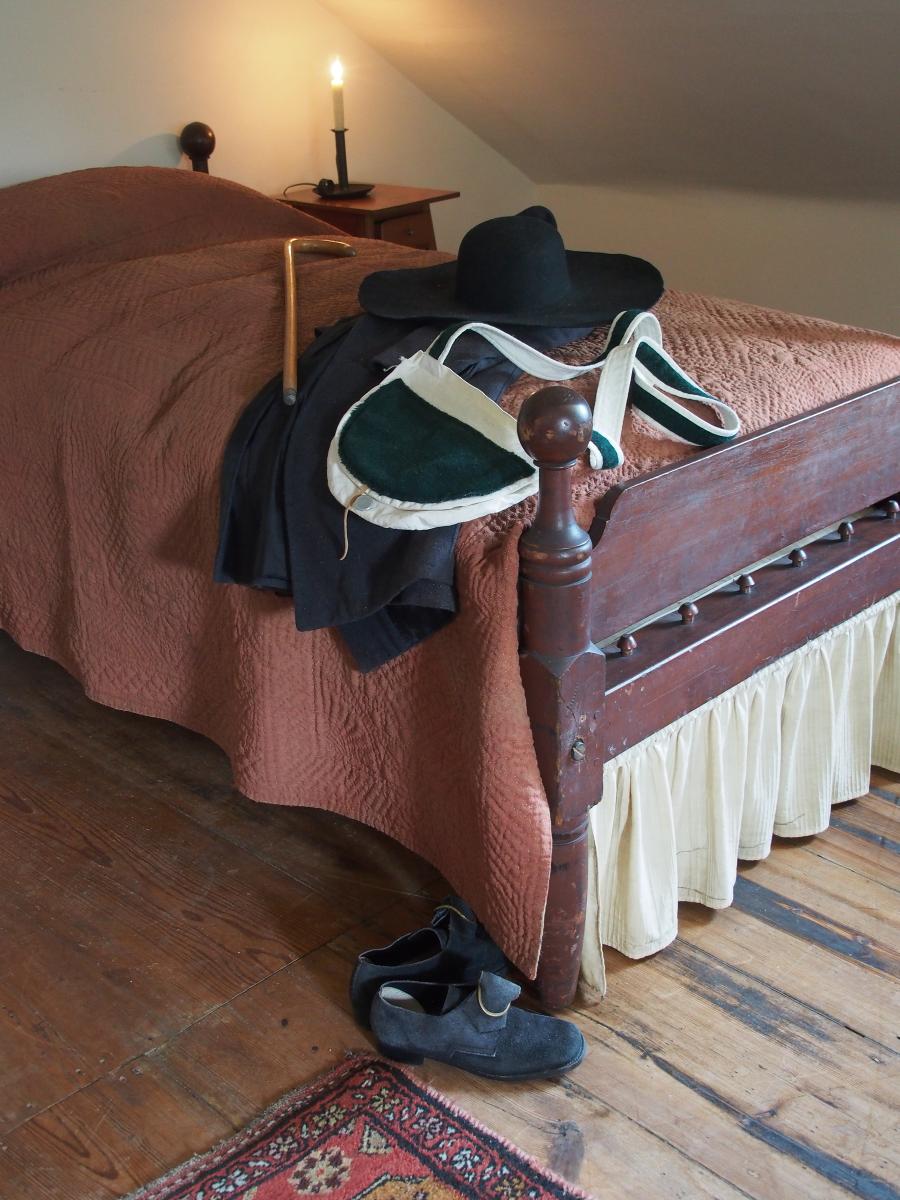
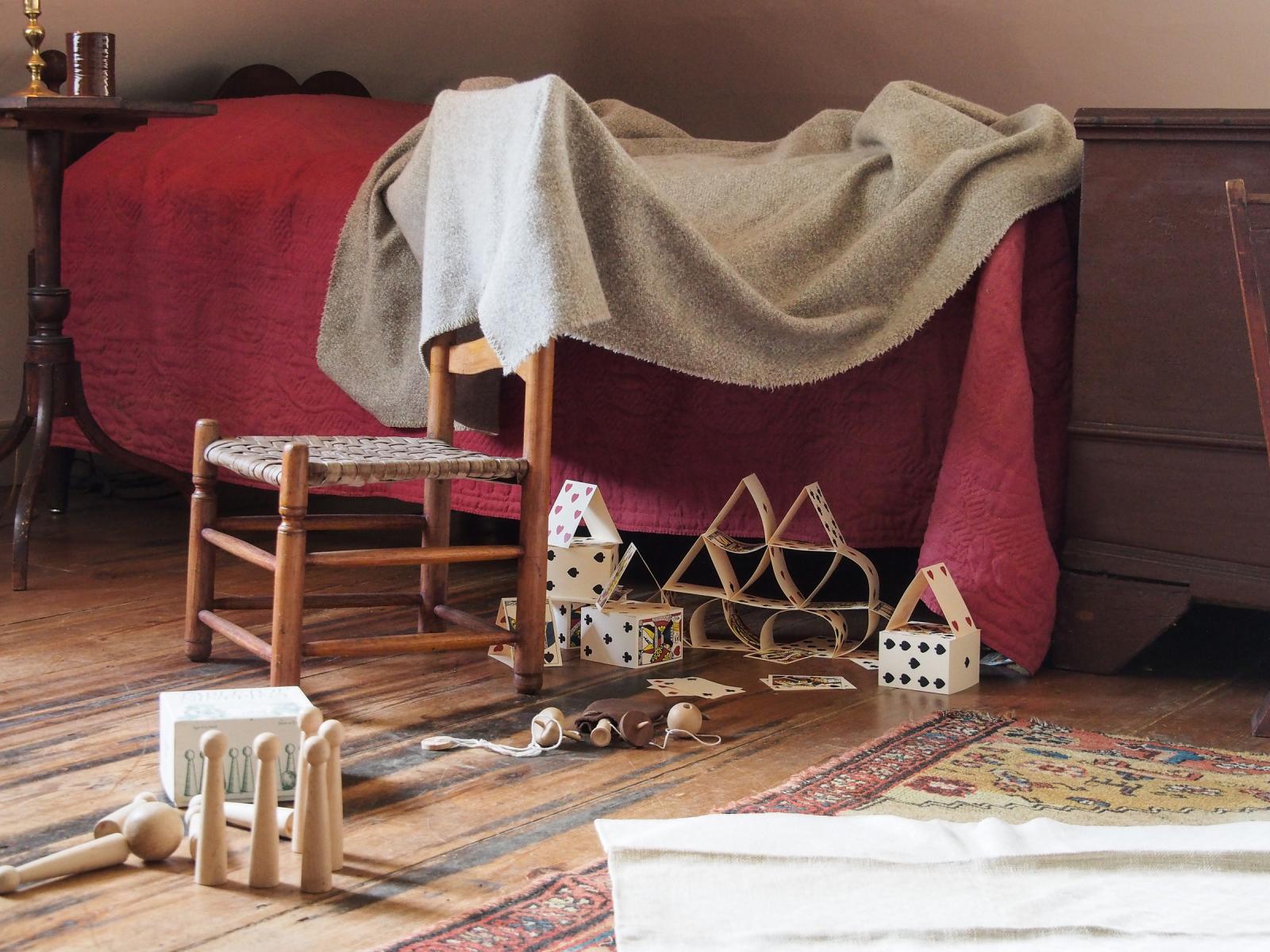
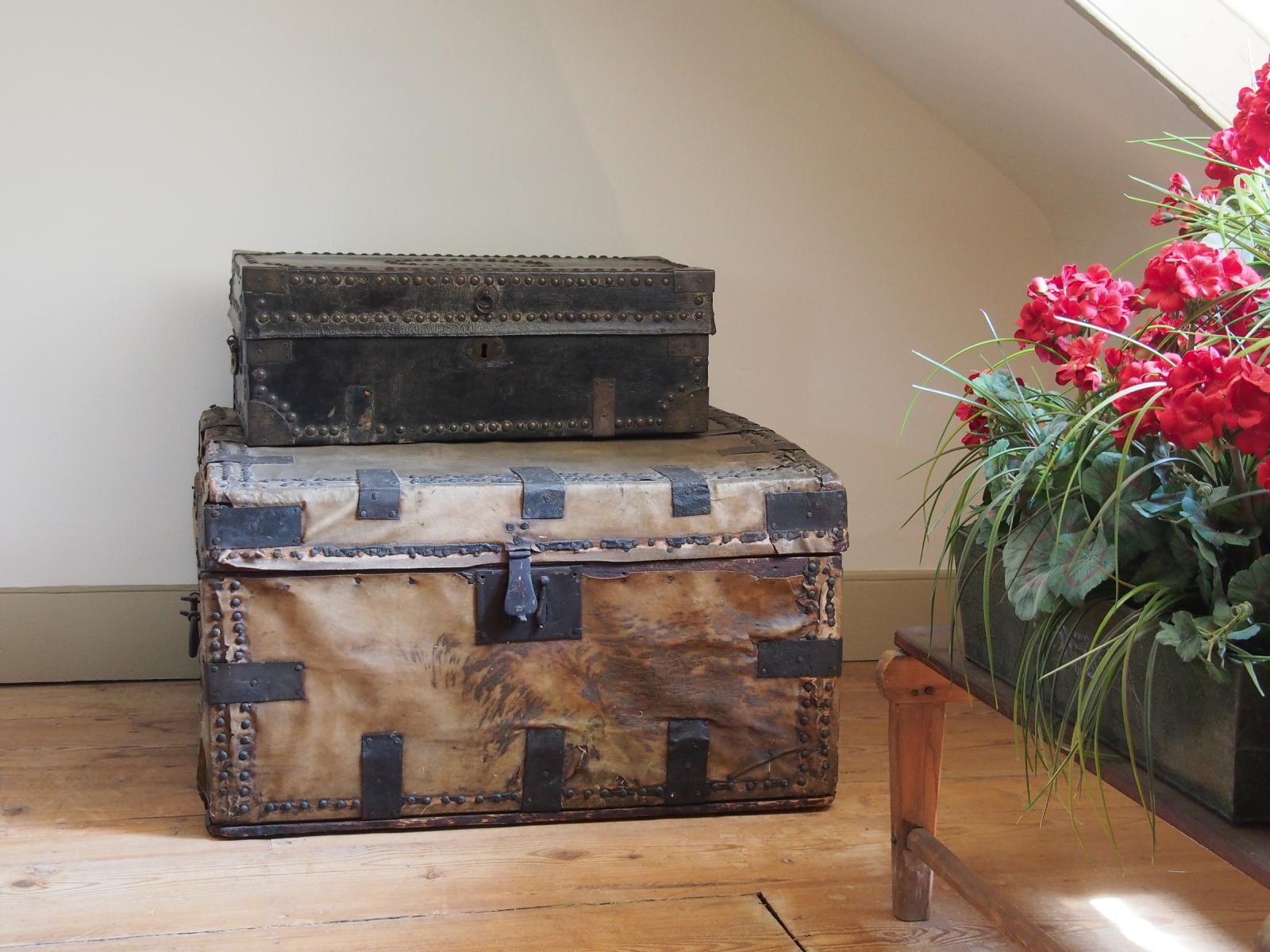
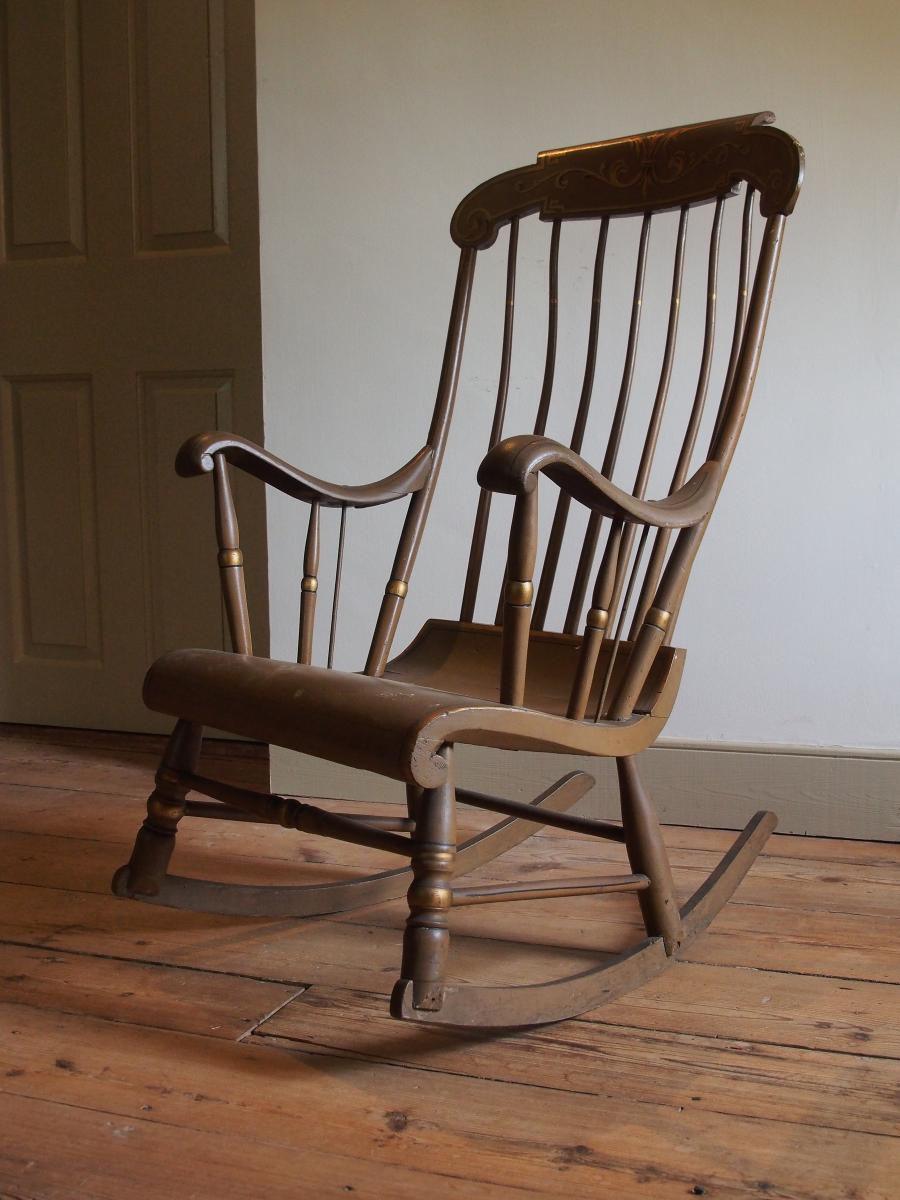
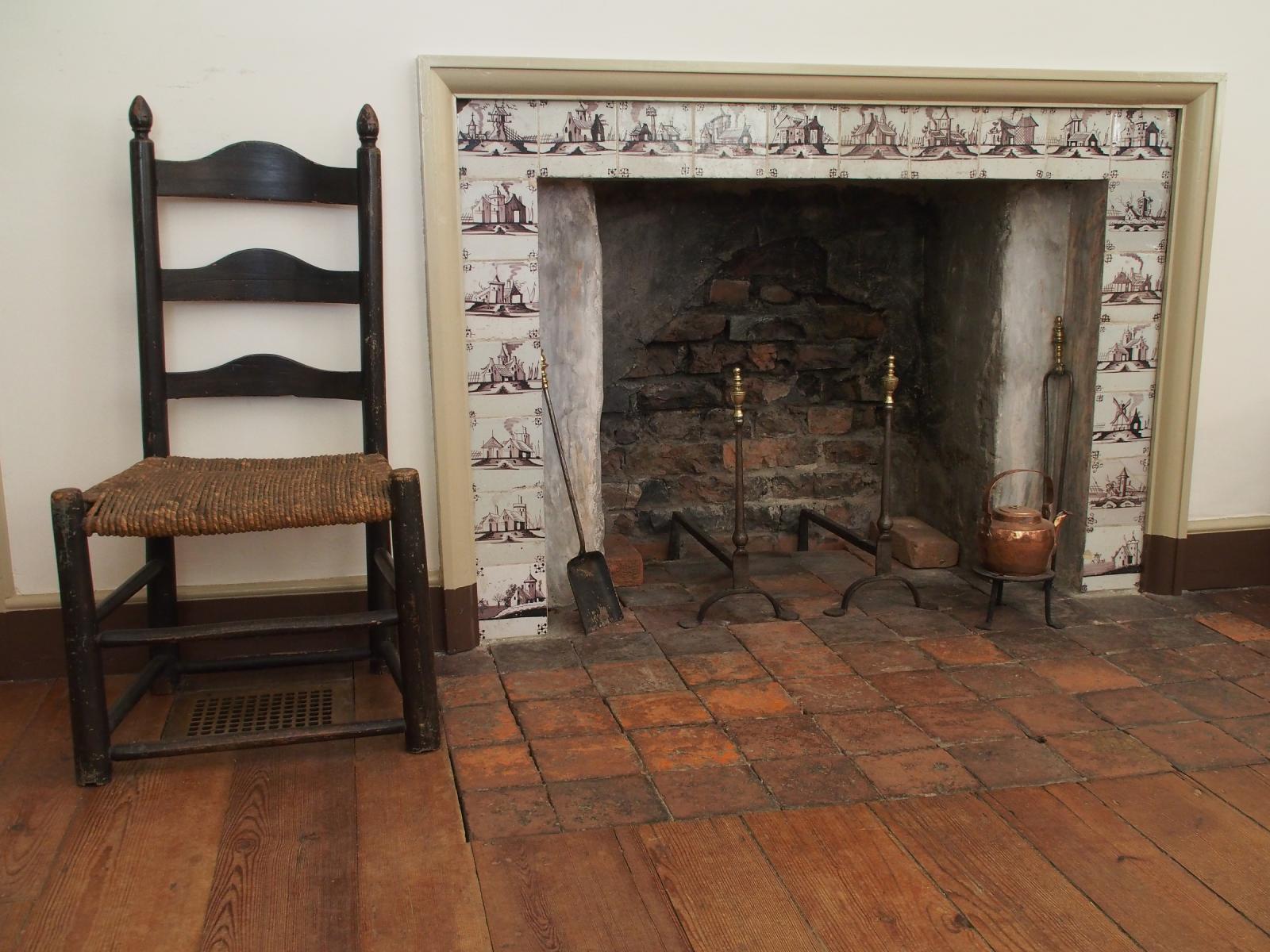
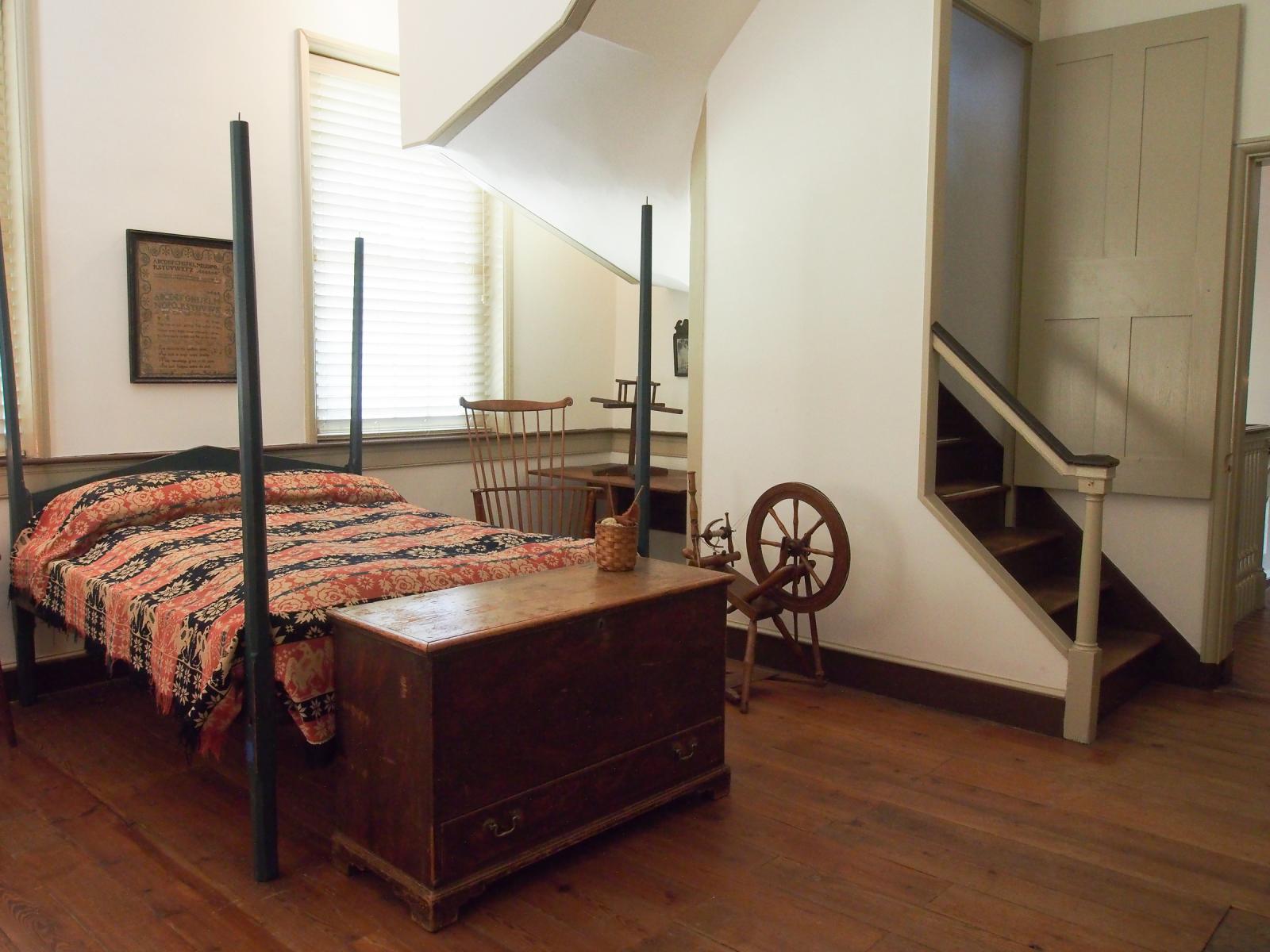
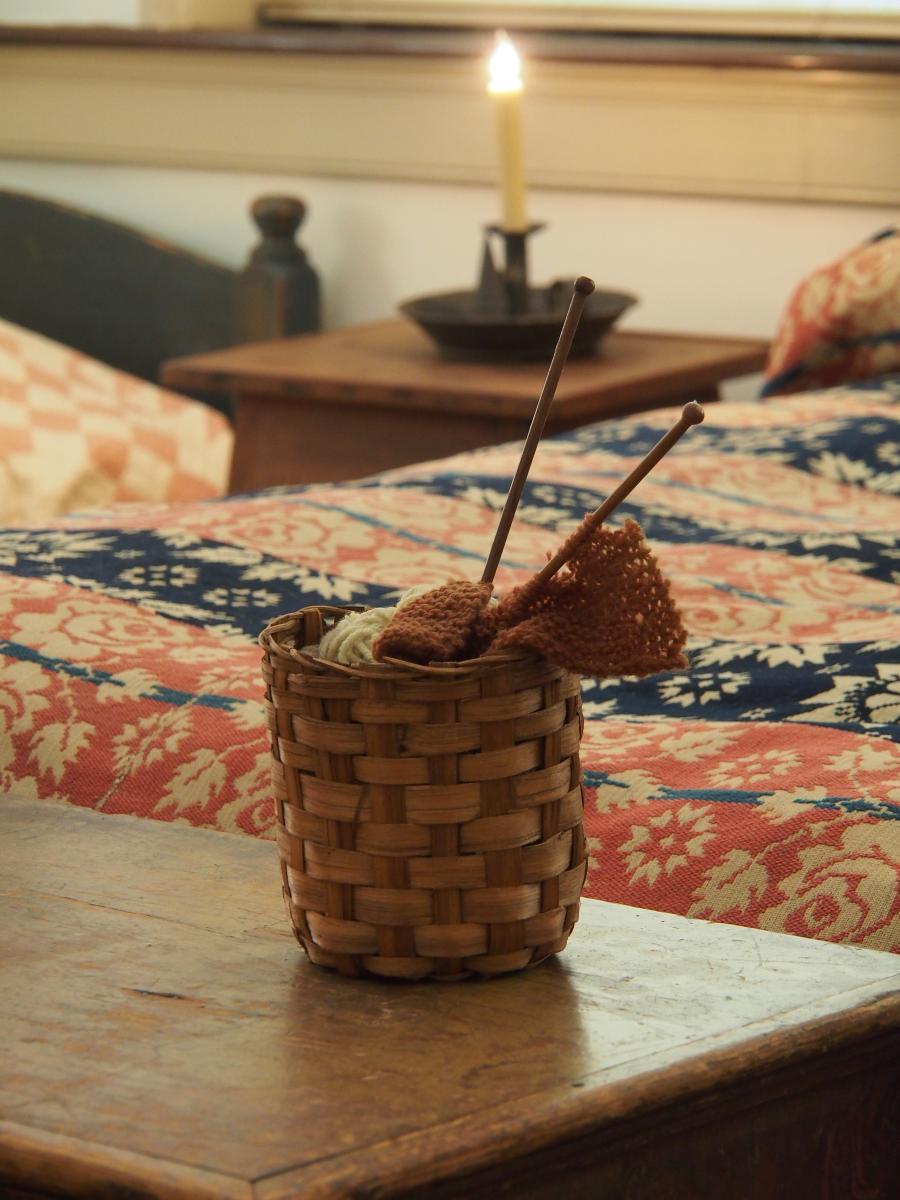
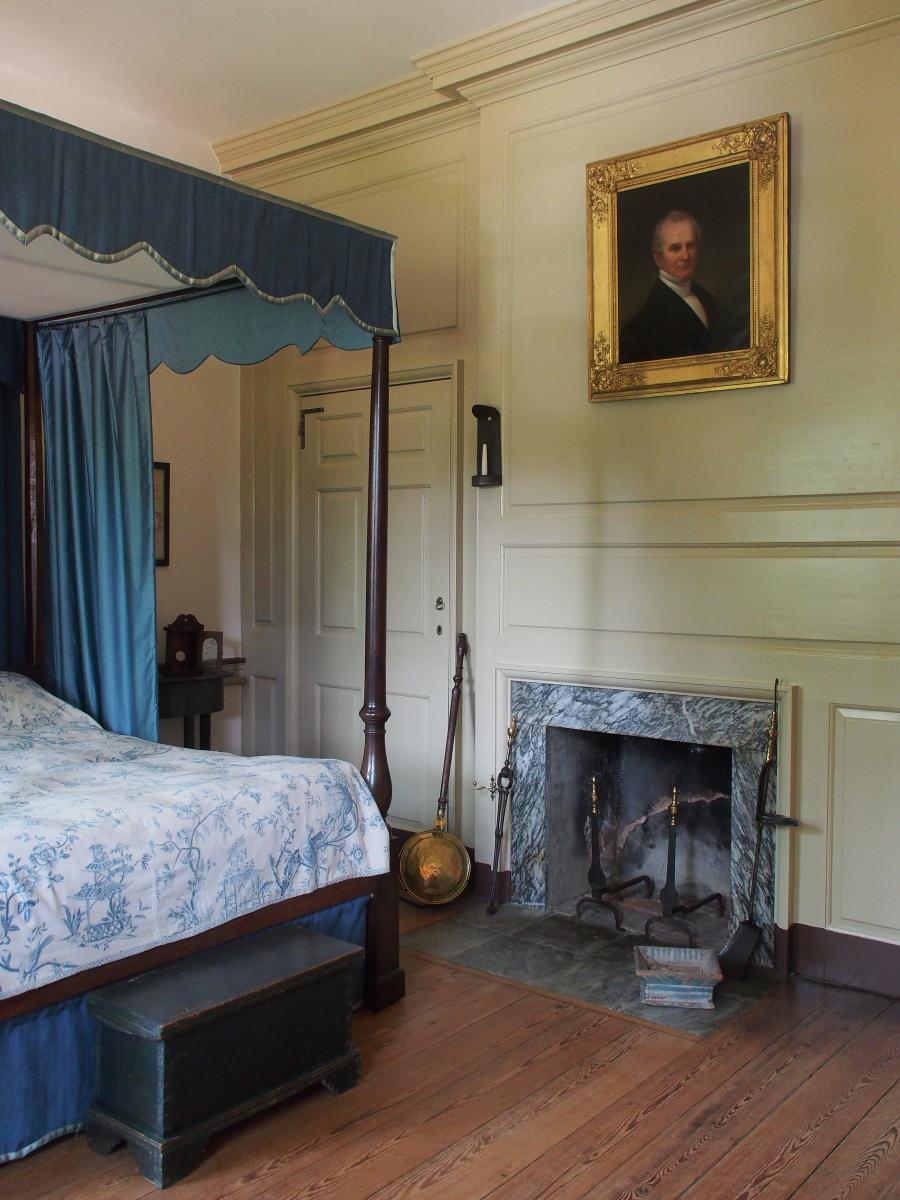
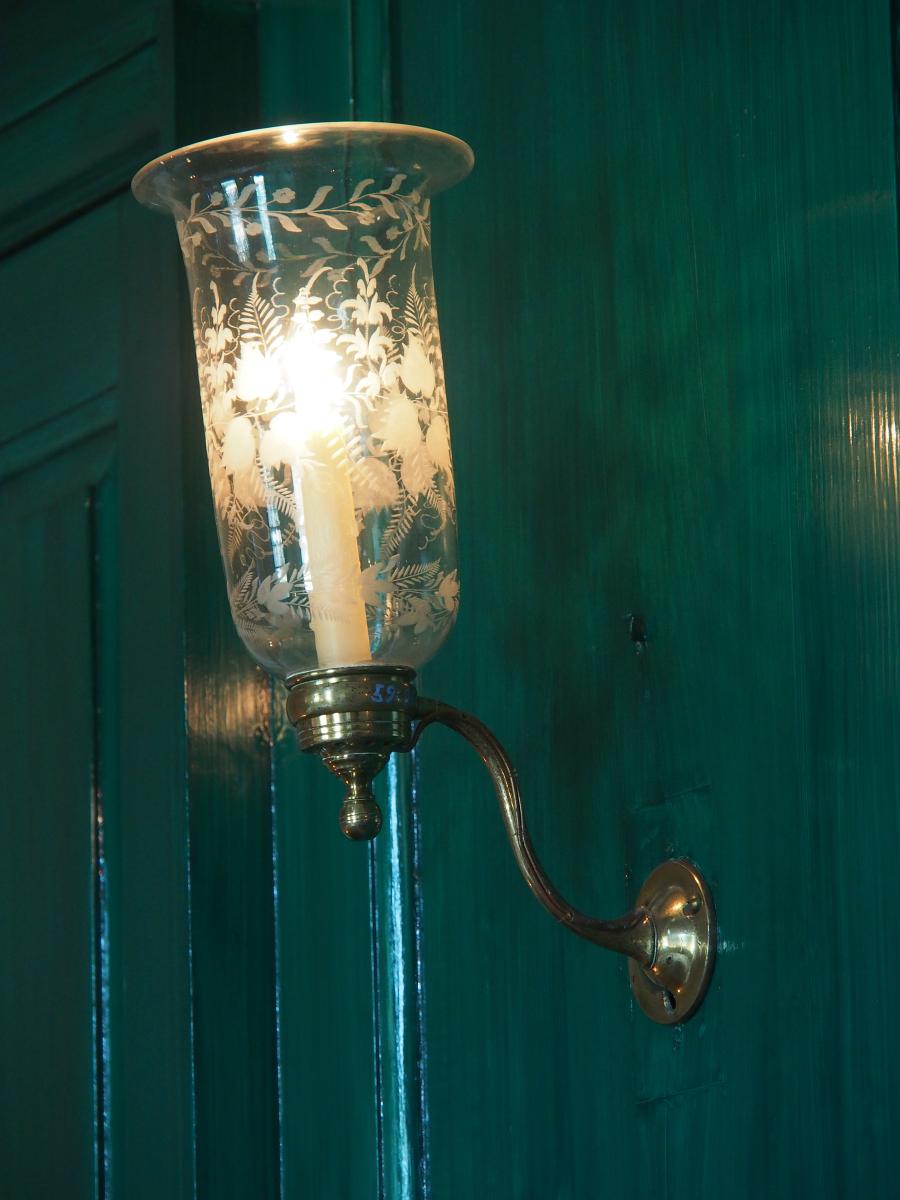
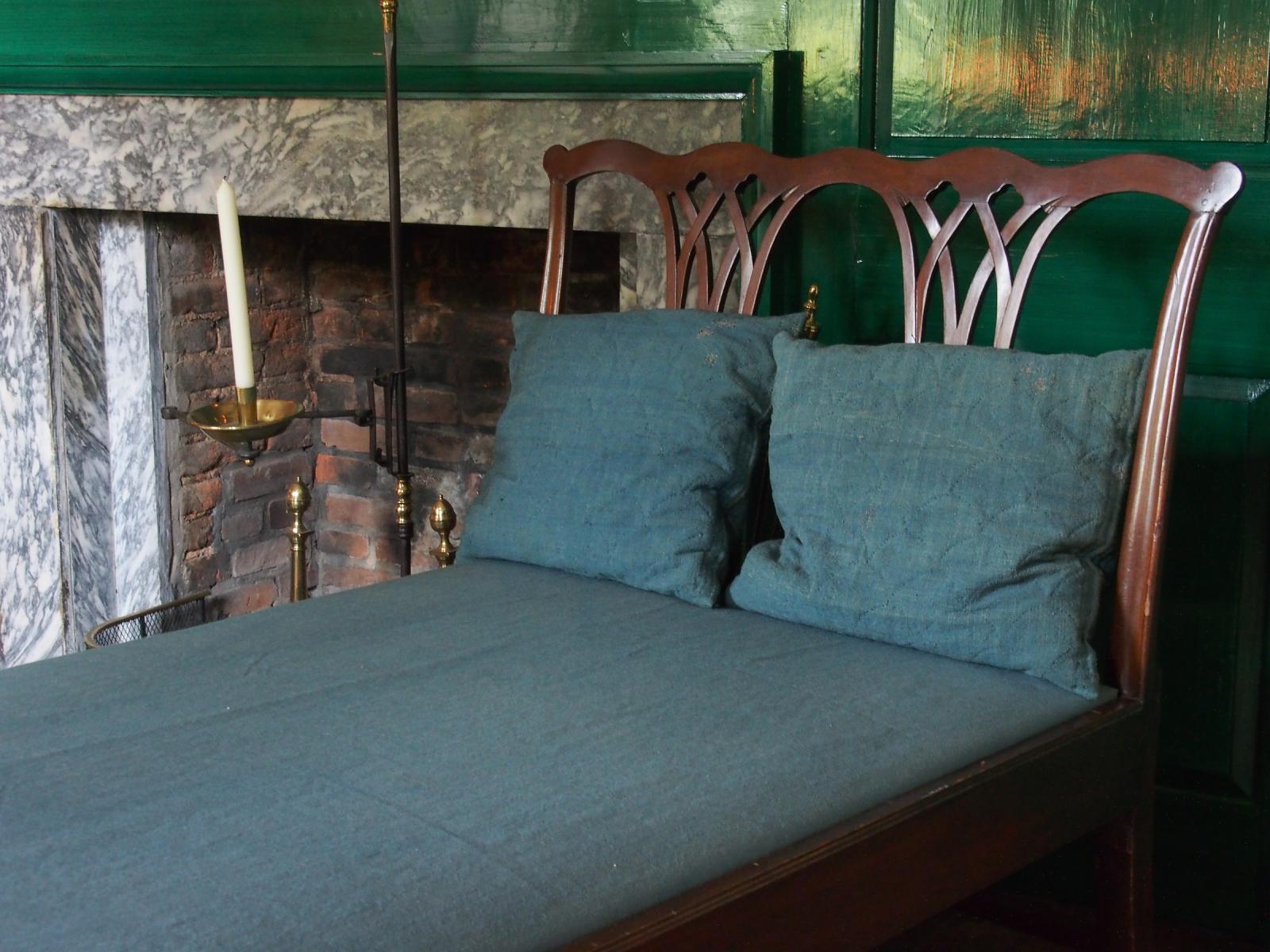
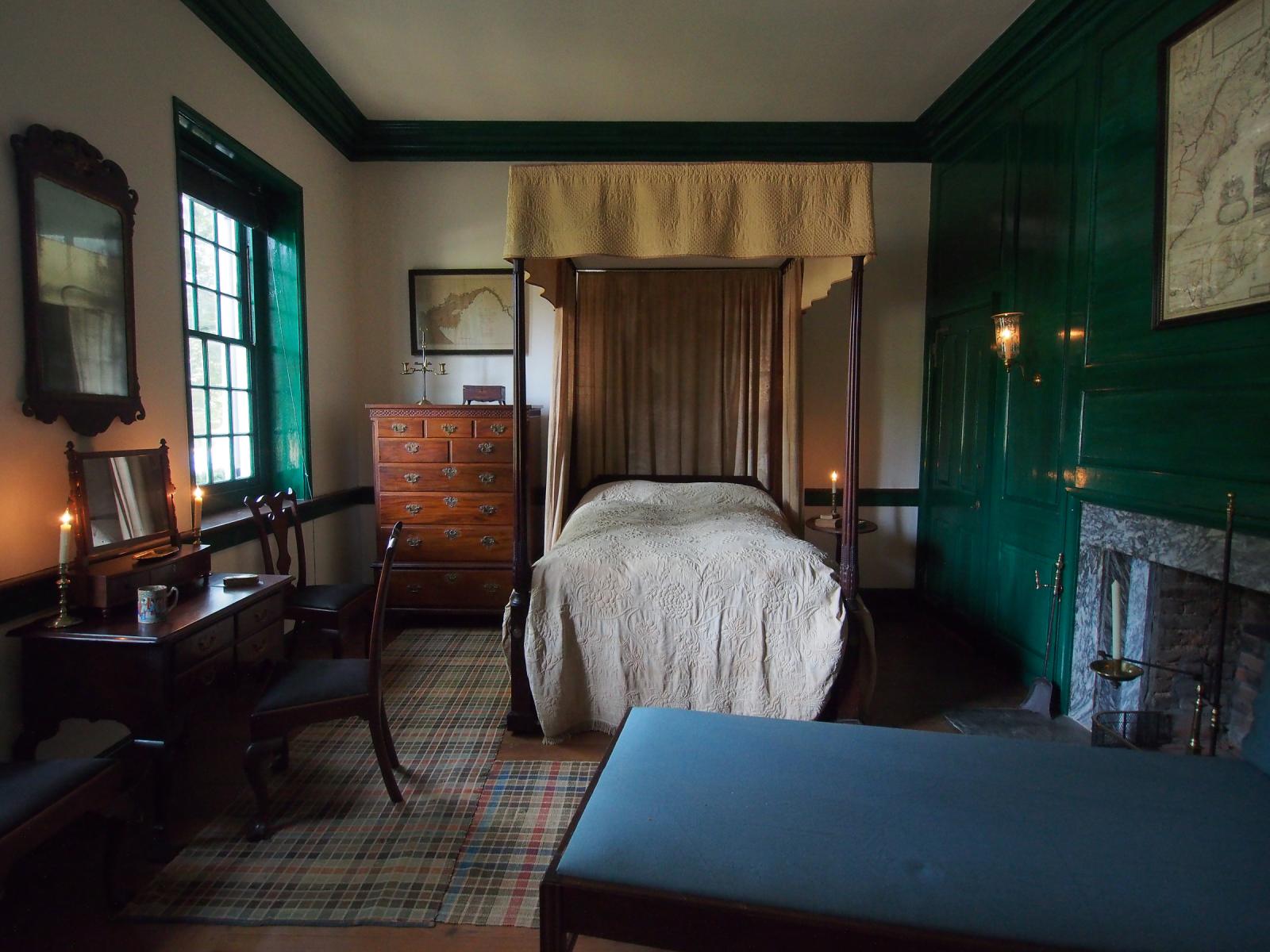
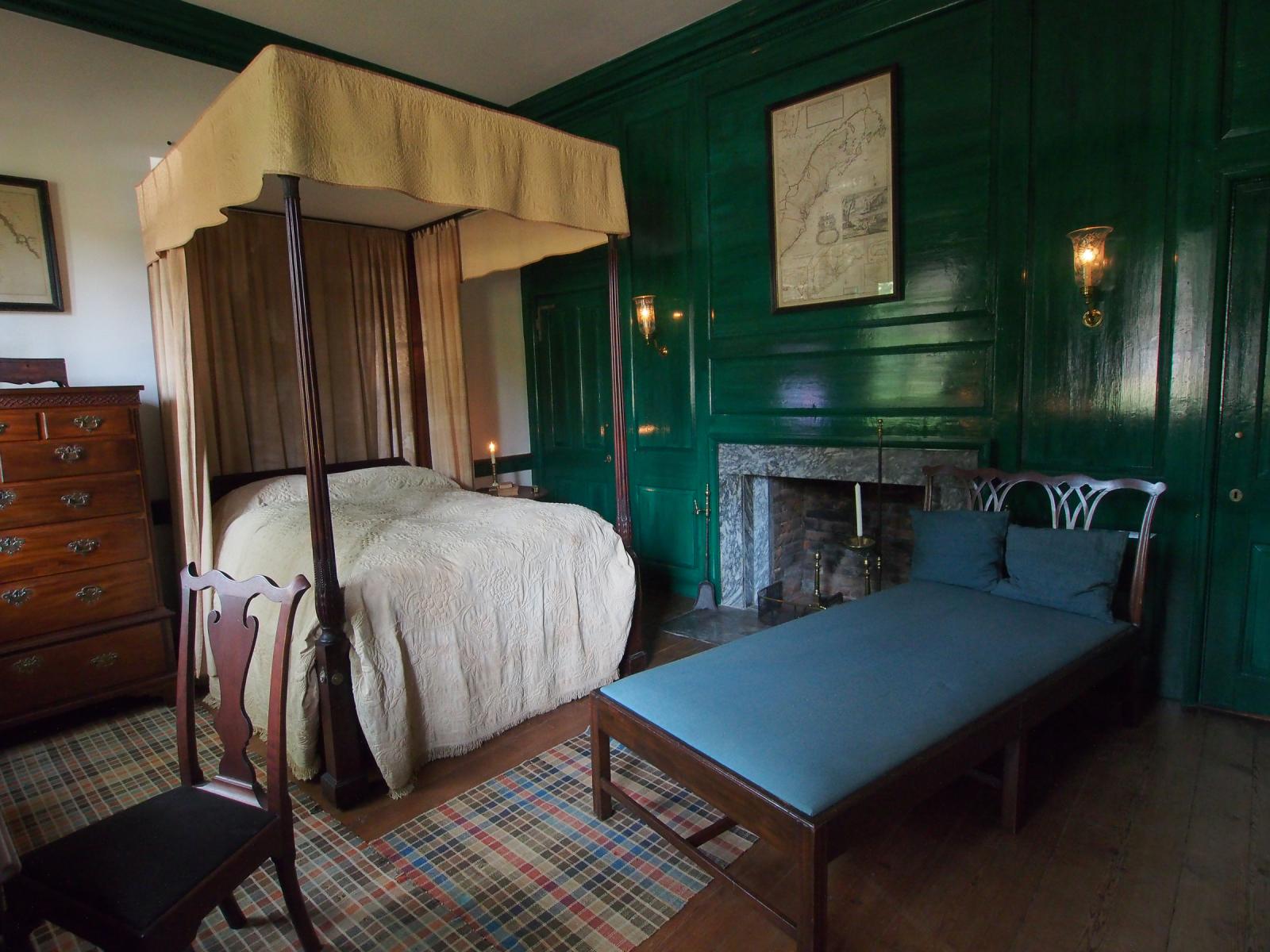
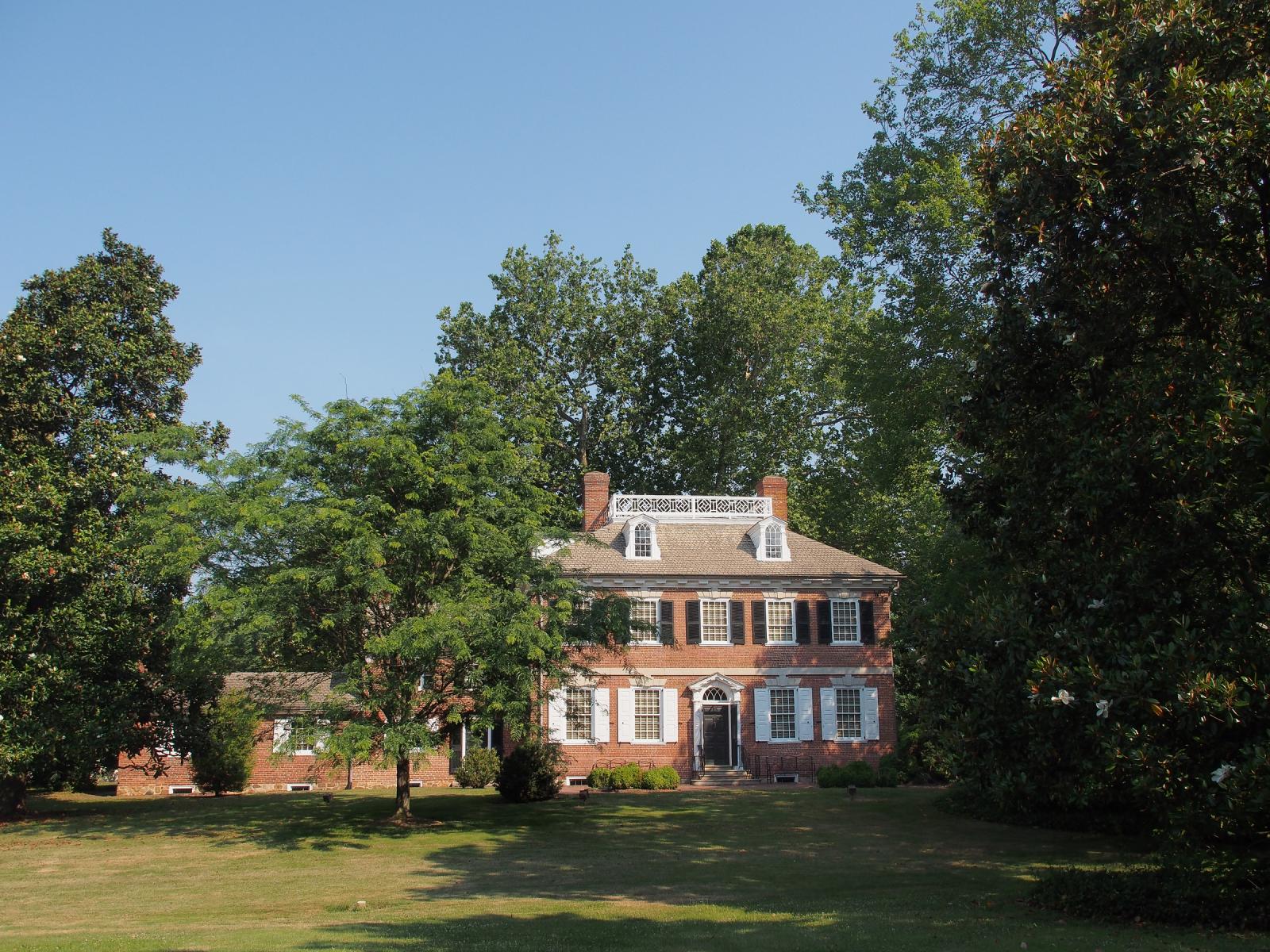
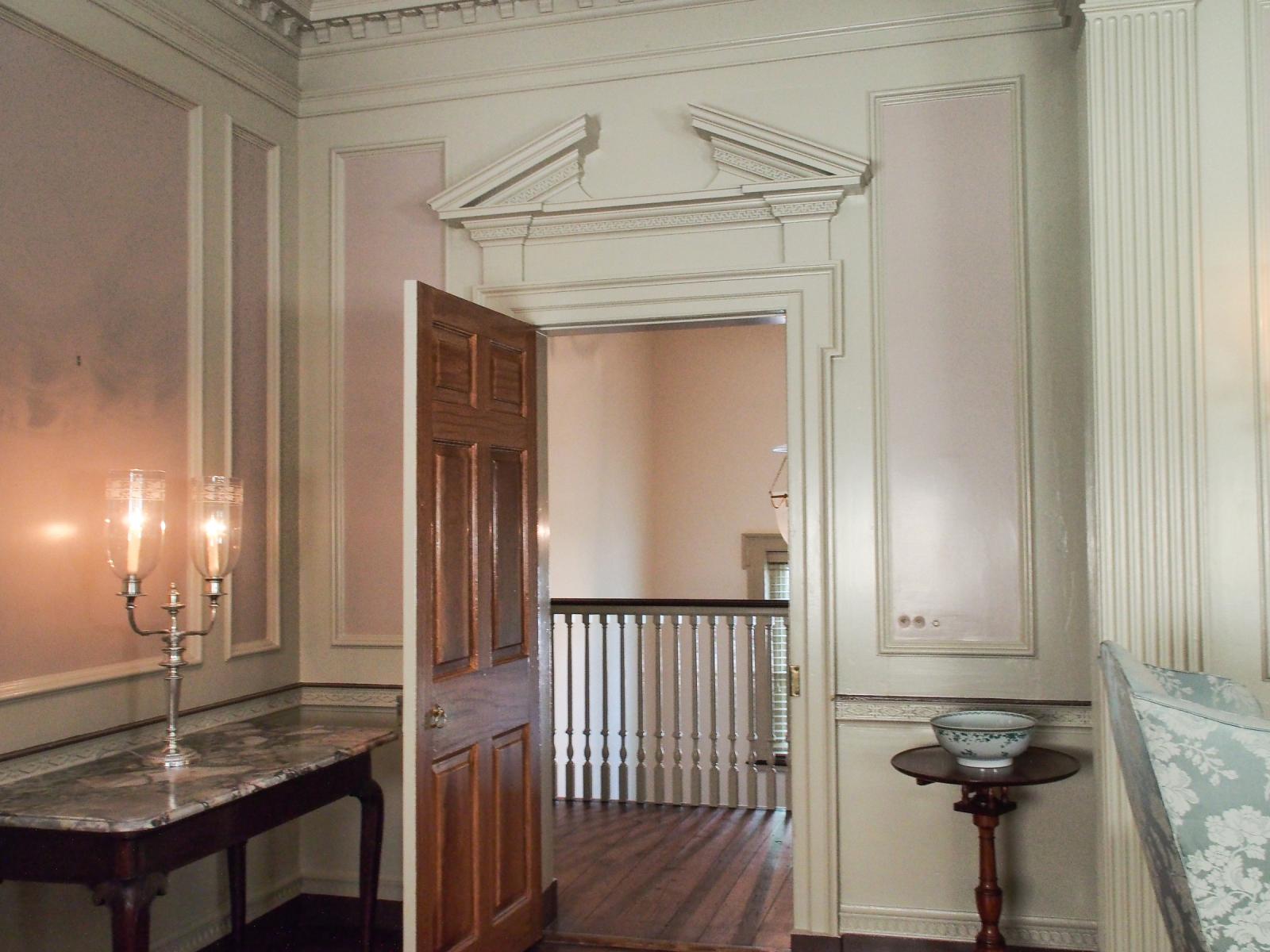
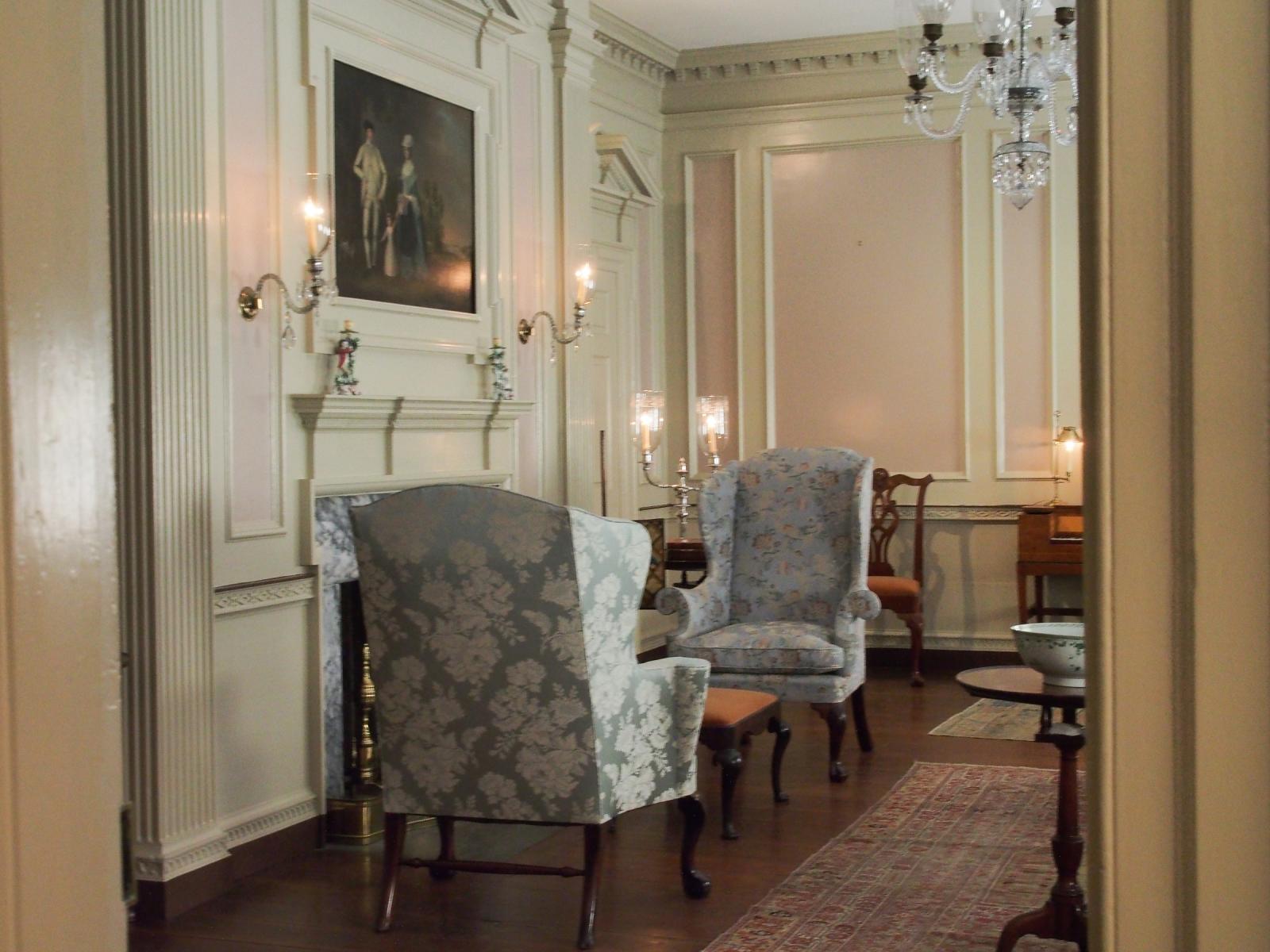
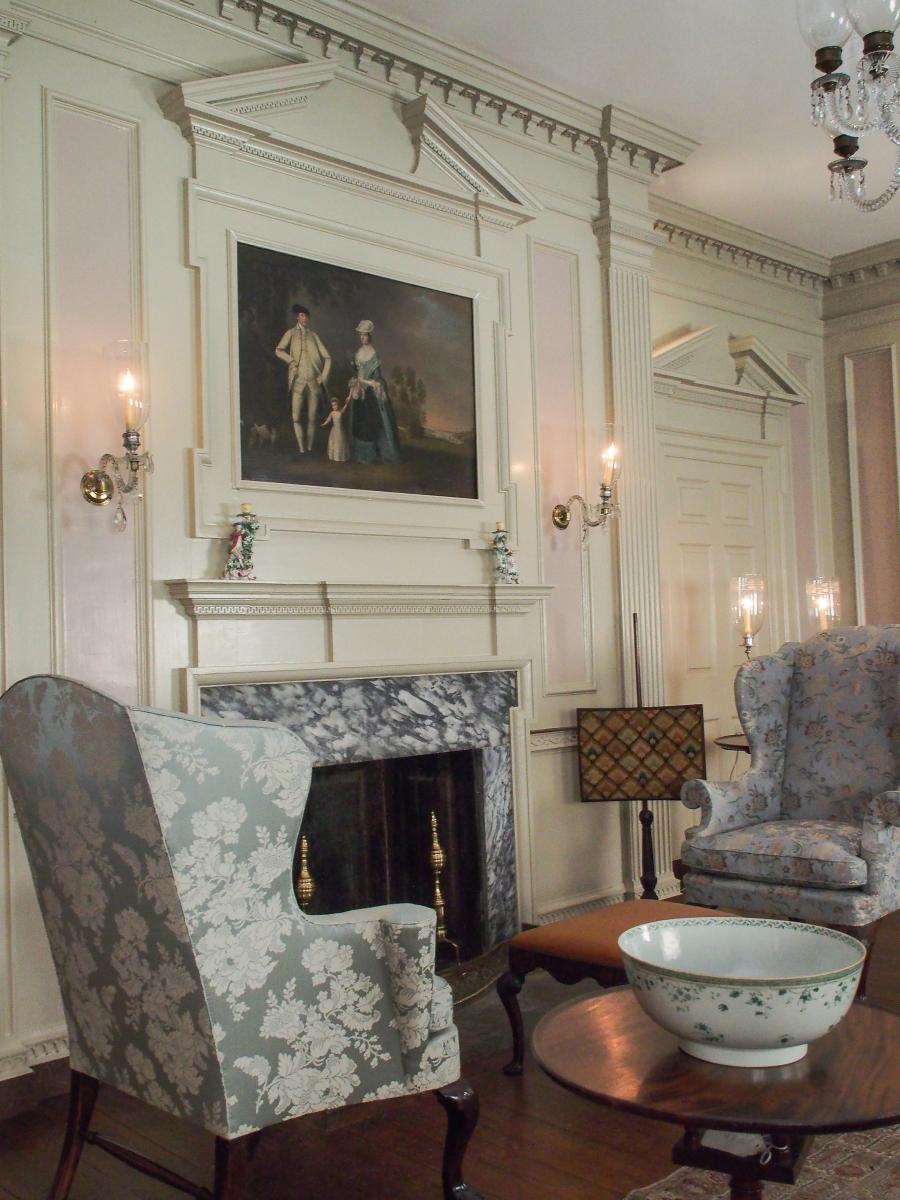
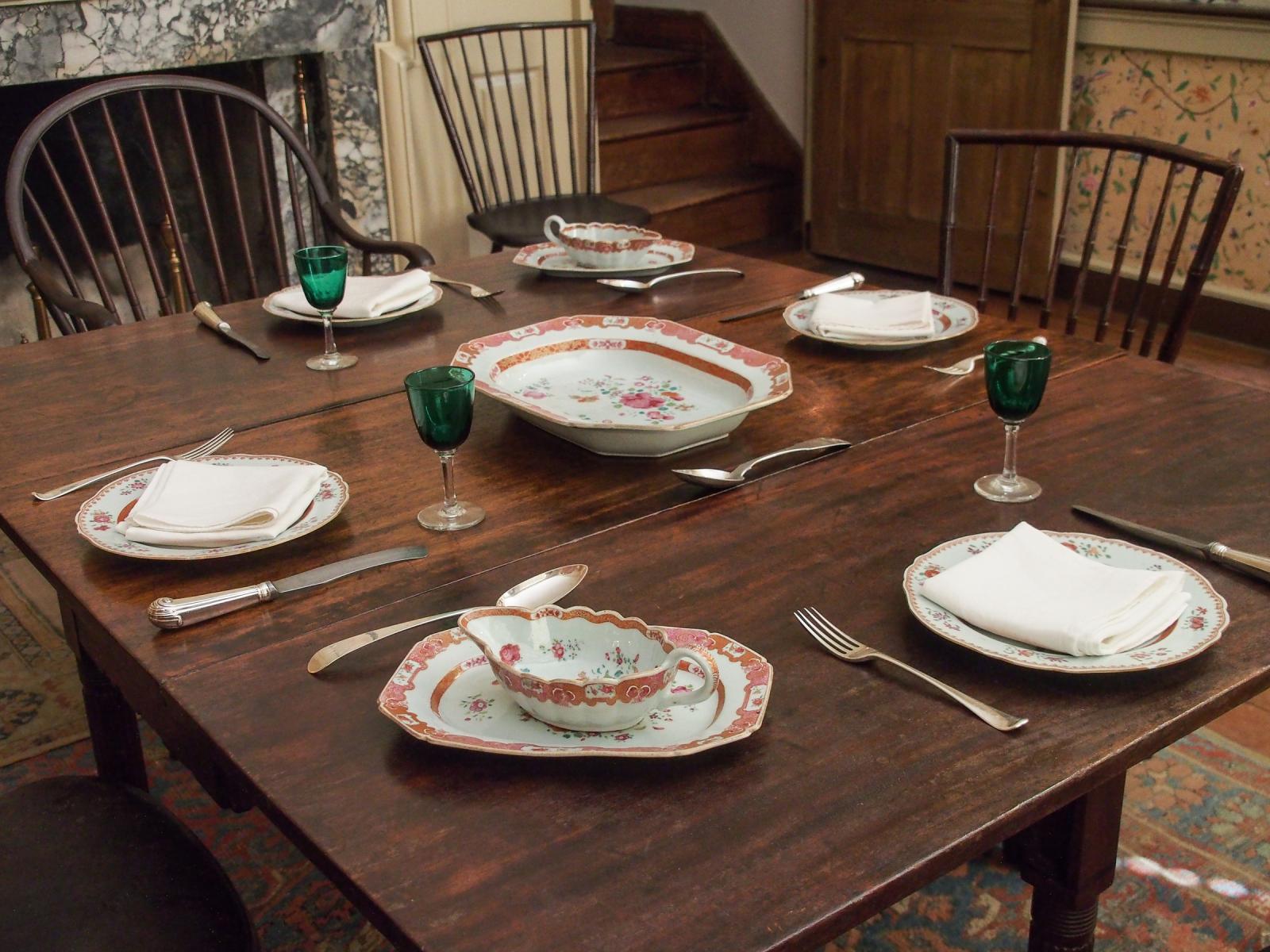
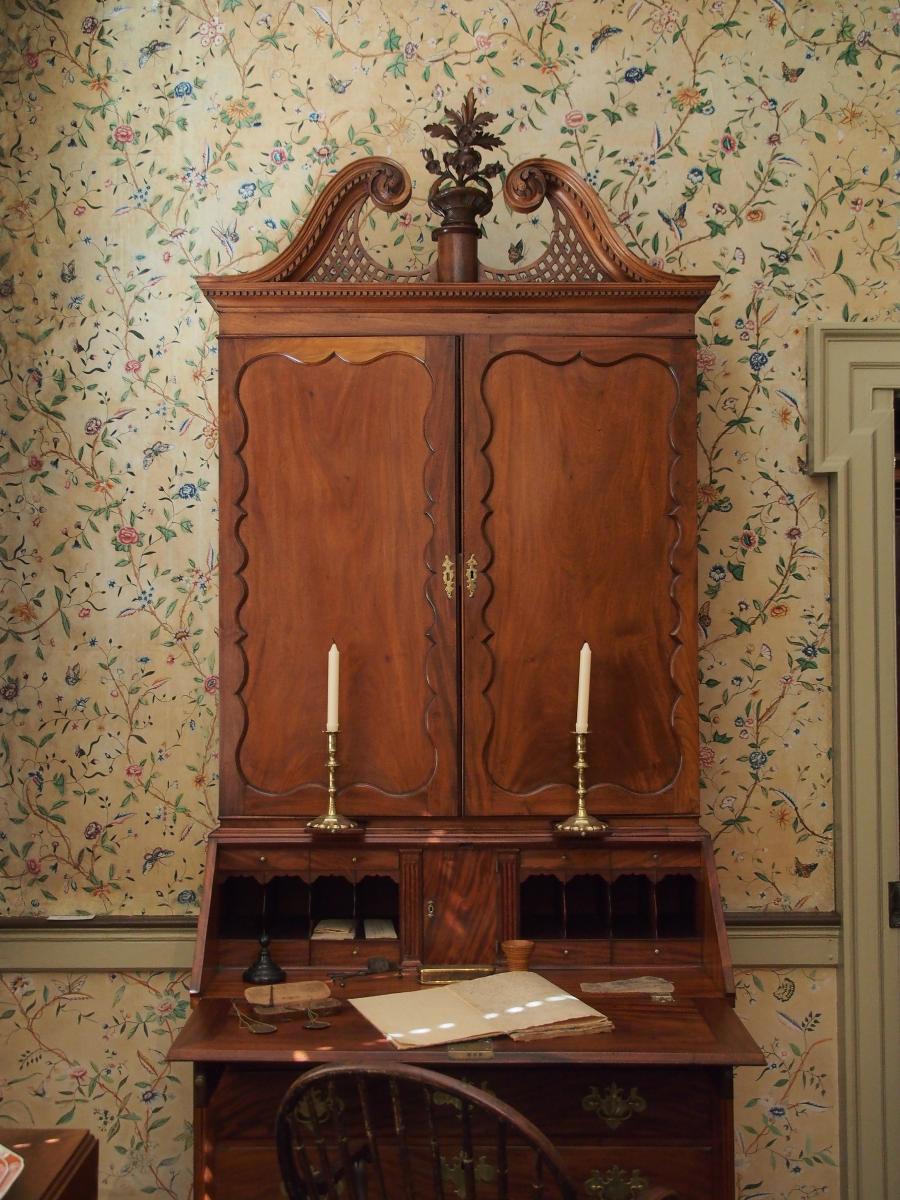
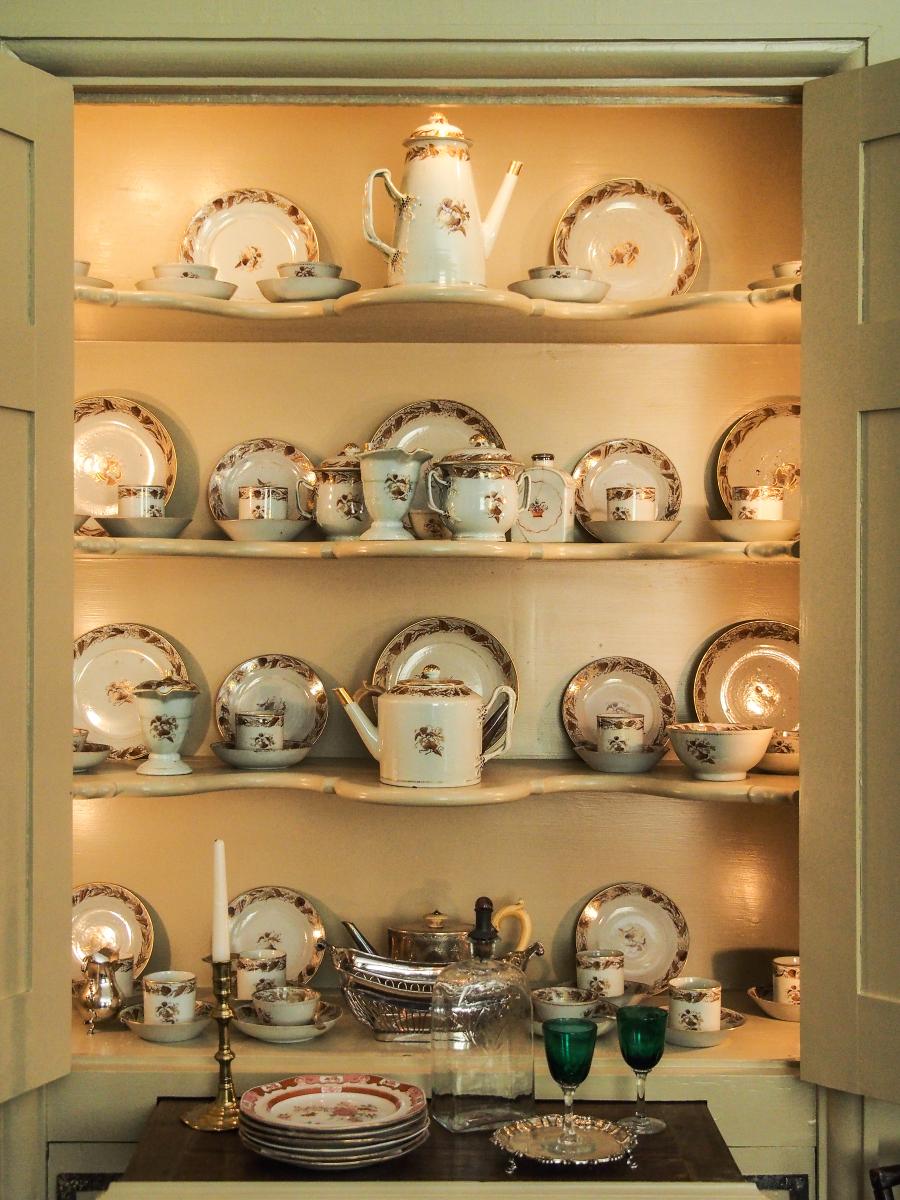
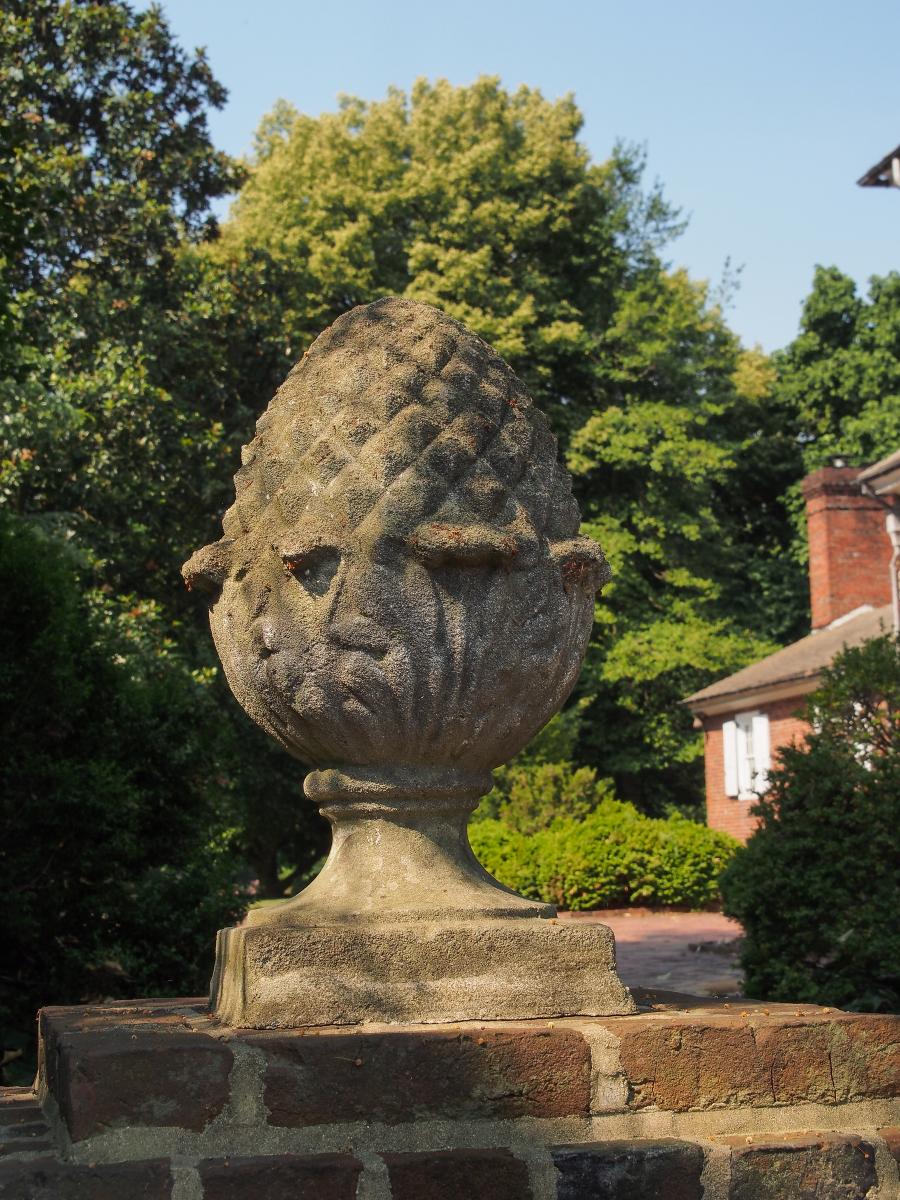
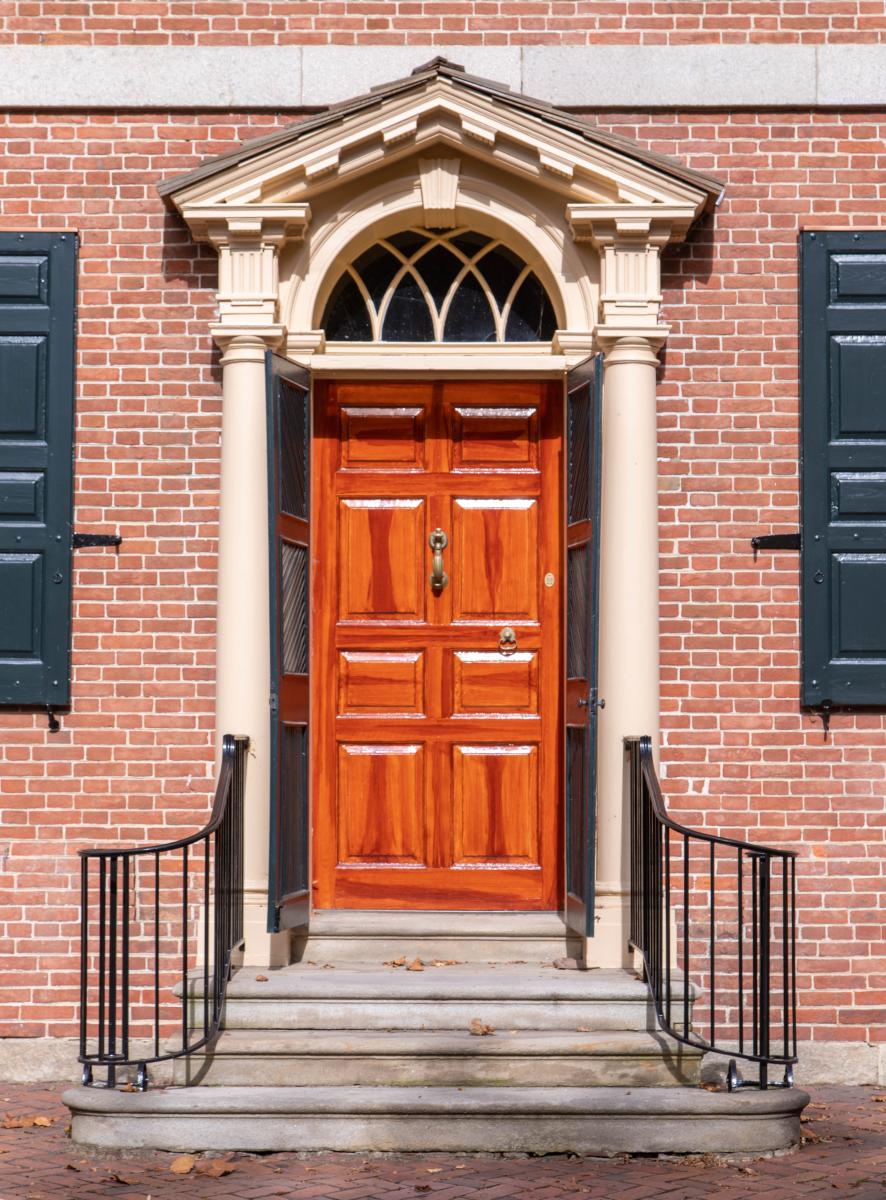
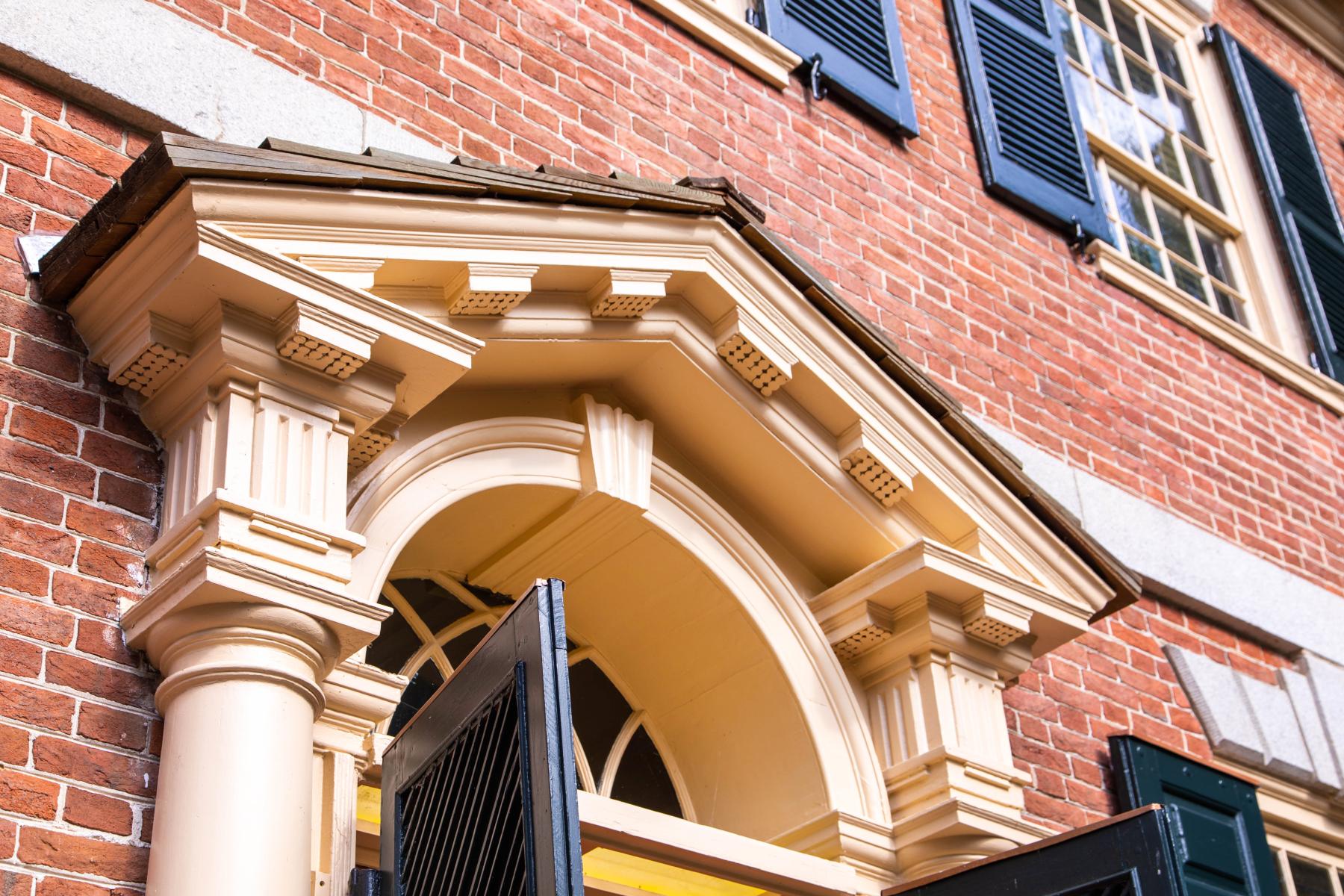
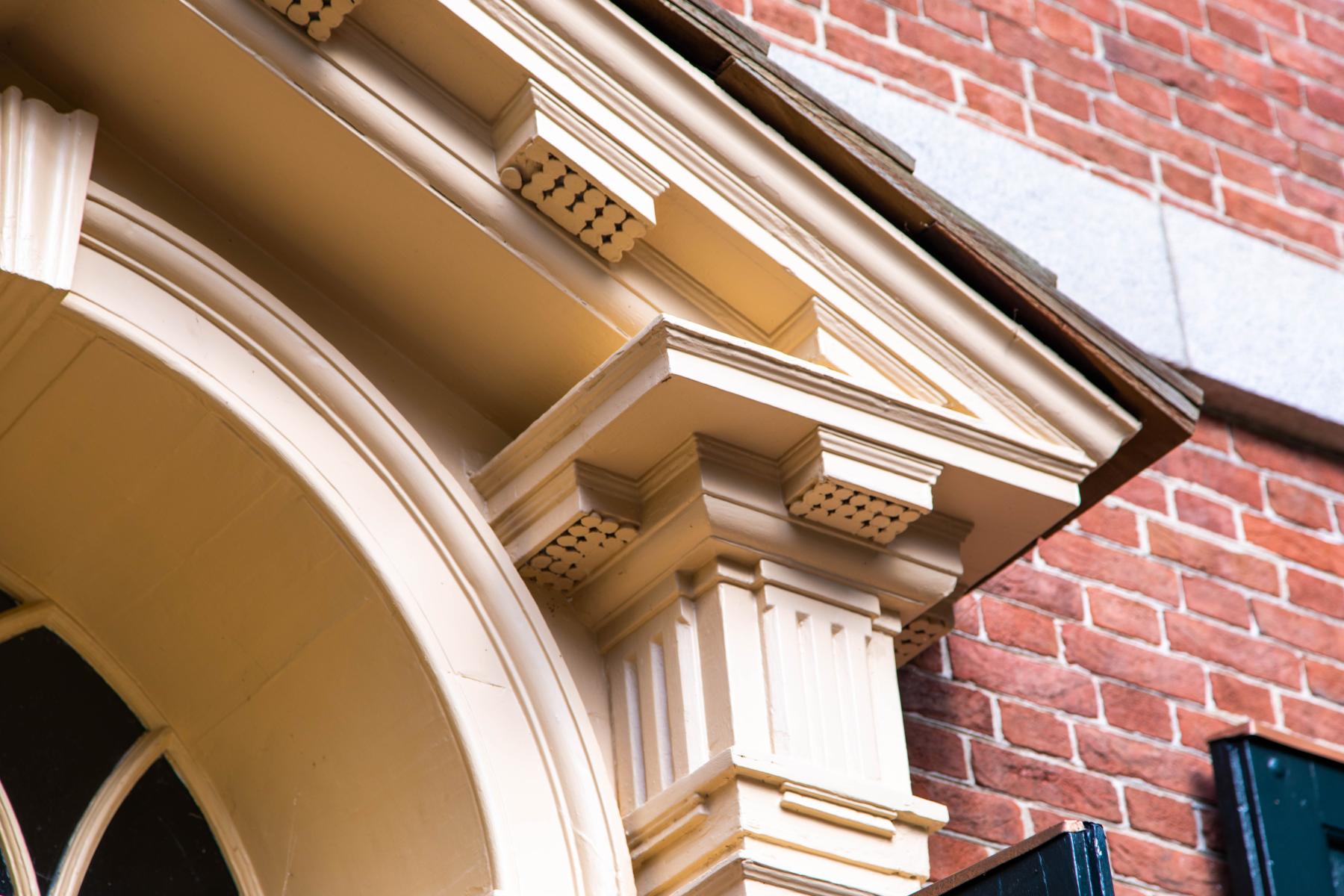
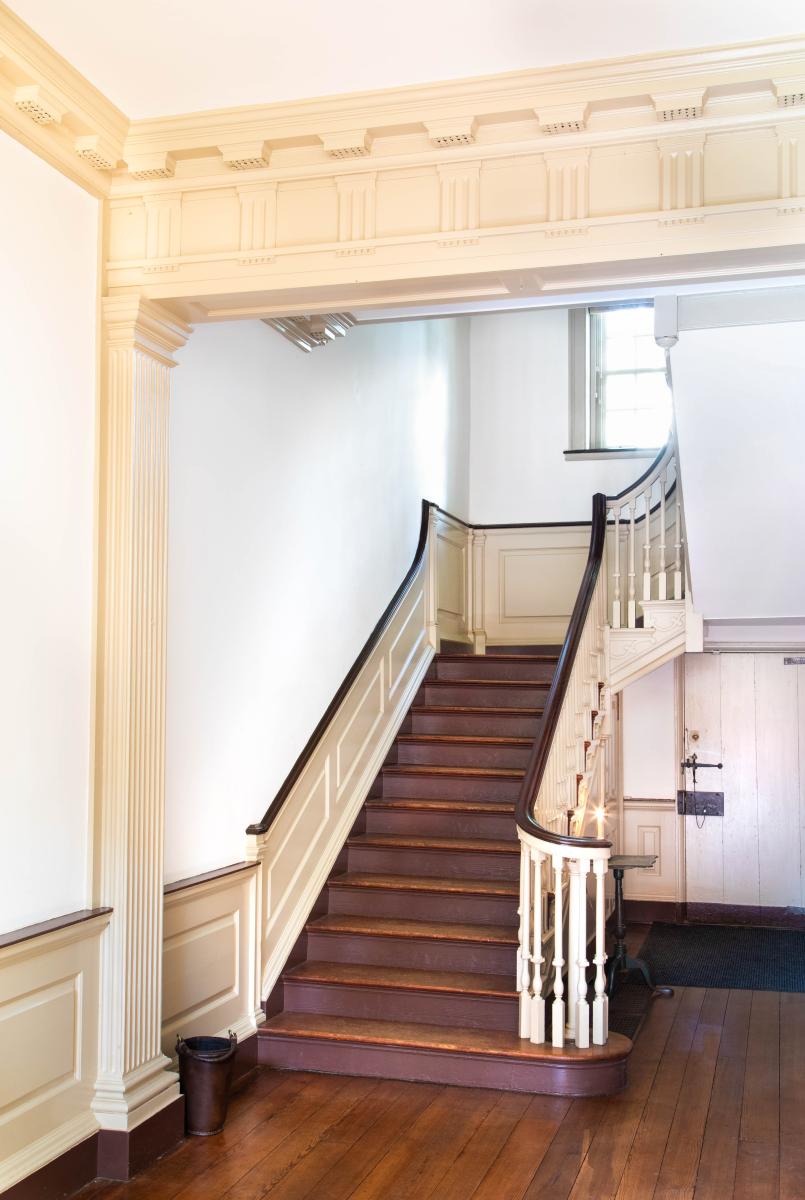
The Corbit-Sharp House c. 1774, a National Historic Landmark, is a five-bay, twenty-two-room mansion considered Delaware's finest pre-Revolutionary house and a handsome example of the Philadelphia-Georgian style. It is named after William Corbit, who was only 27 years of age when construction began in 1772, and for H. Rodney Sharp, who restored it in the 1930’s.
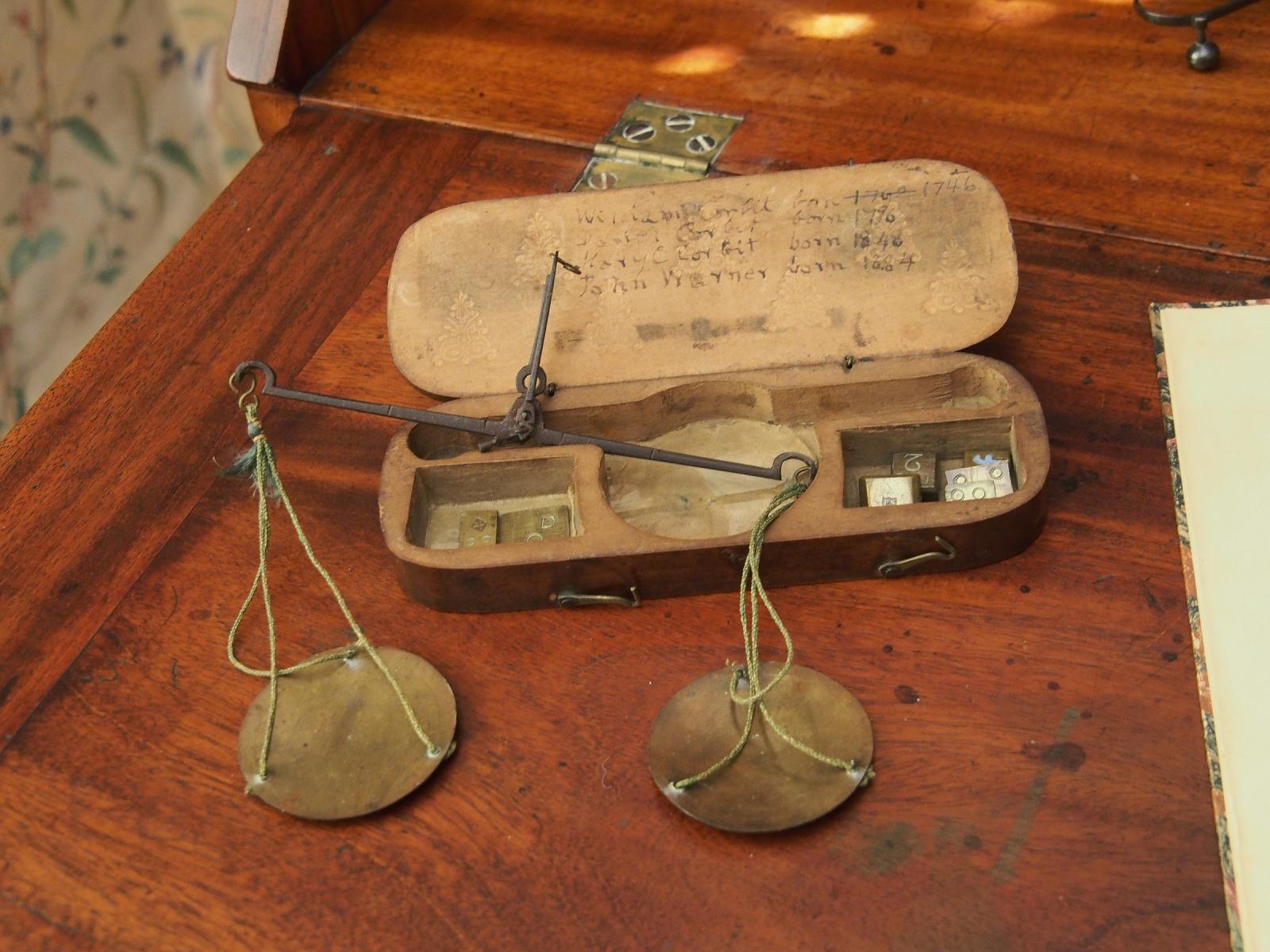
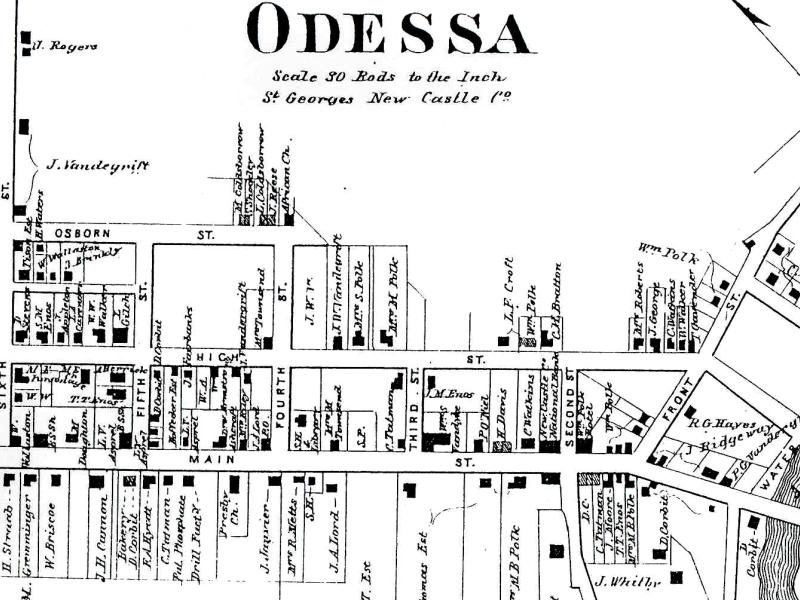
William Corbit, one of the town's leading citizens, operated a tannery on the Appoquinimink Creek. His house remained in the Corbit family until 1938, when Delaware preservationist H. Rodney Sharp acquired it.
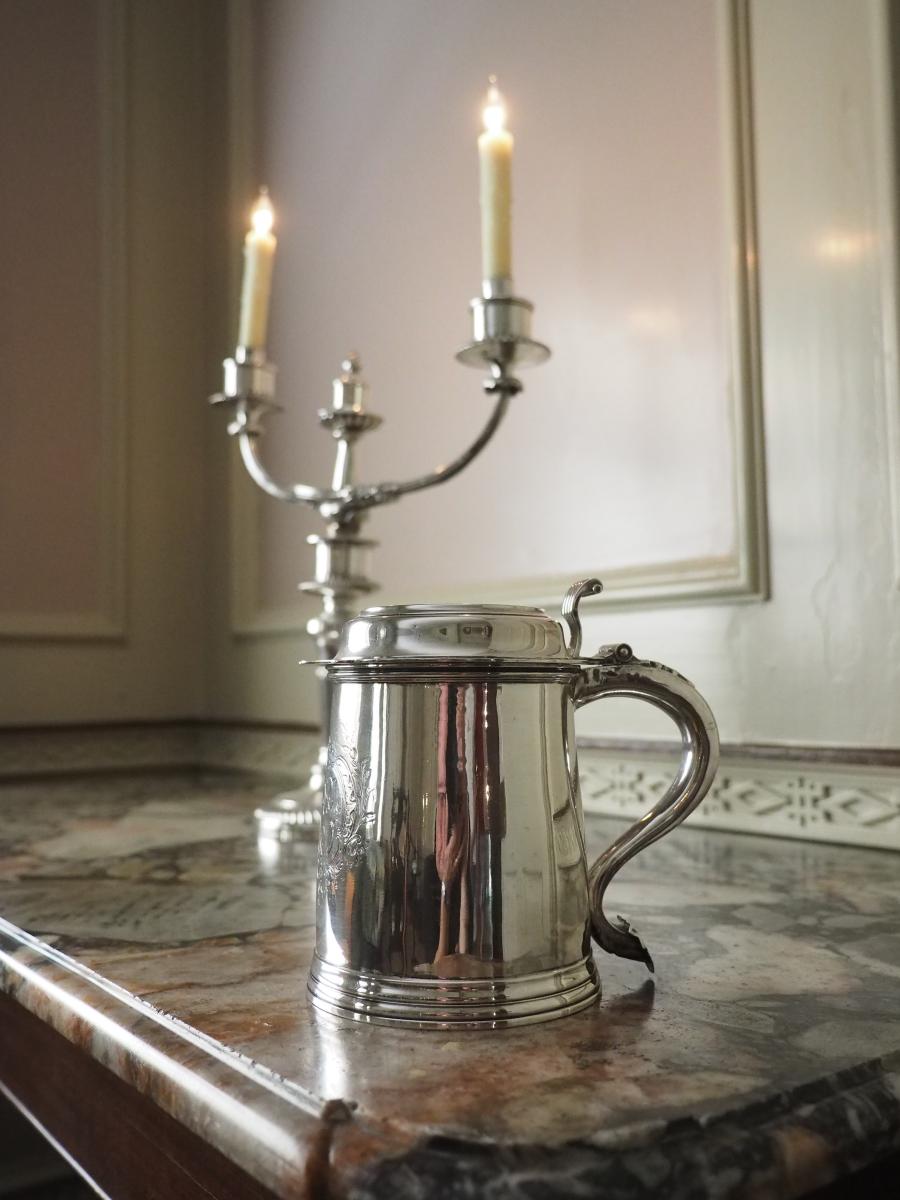
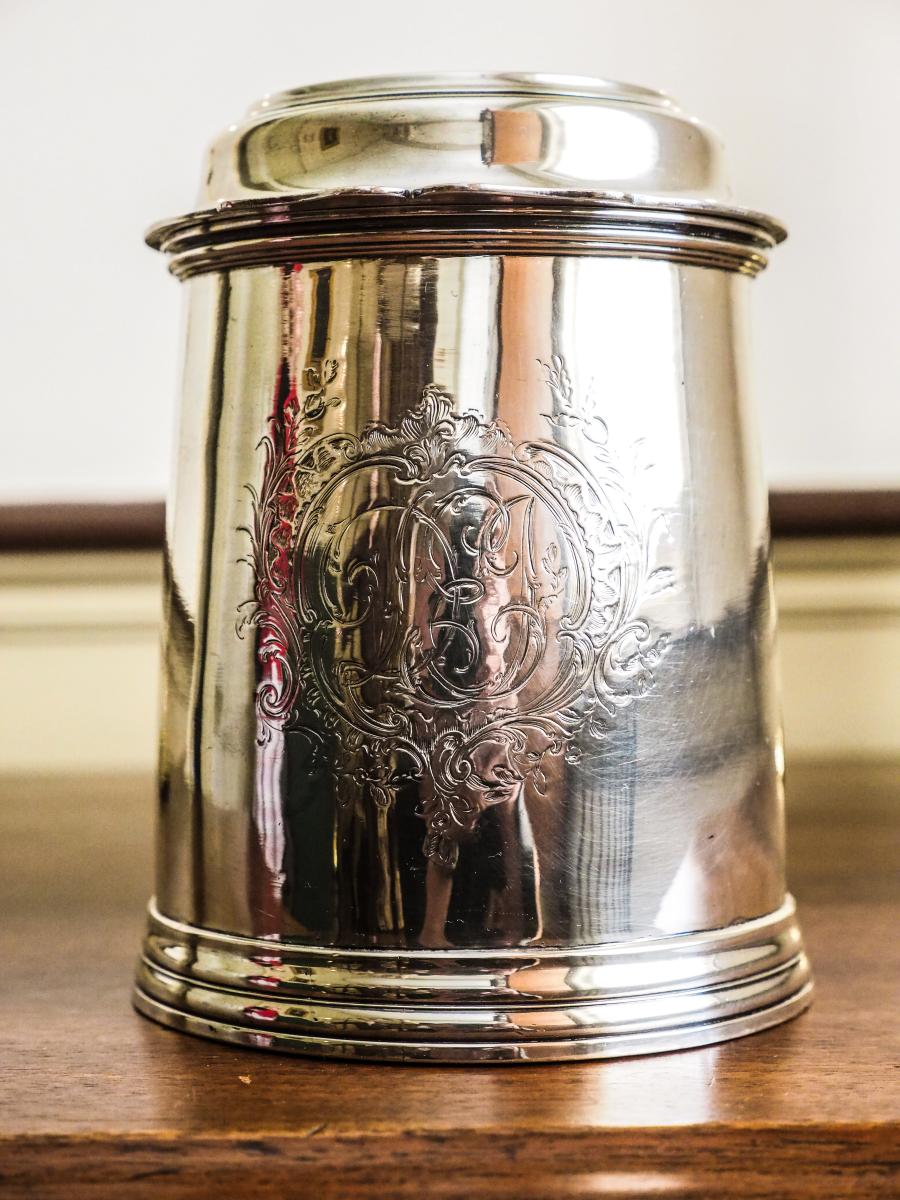
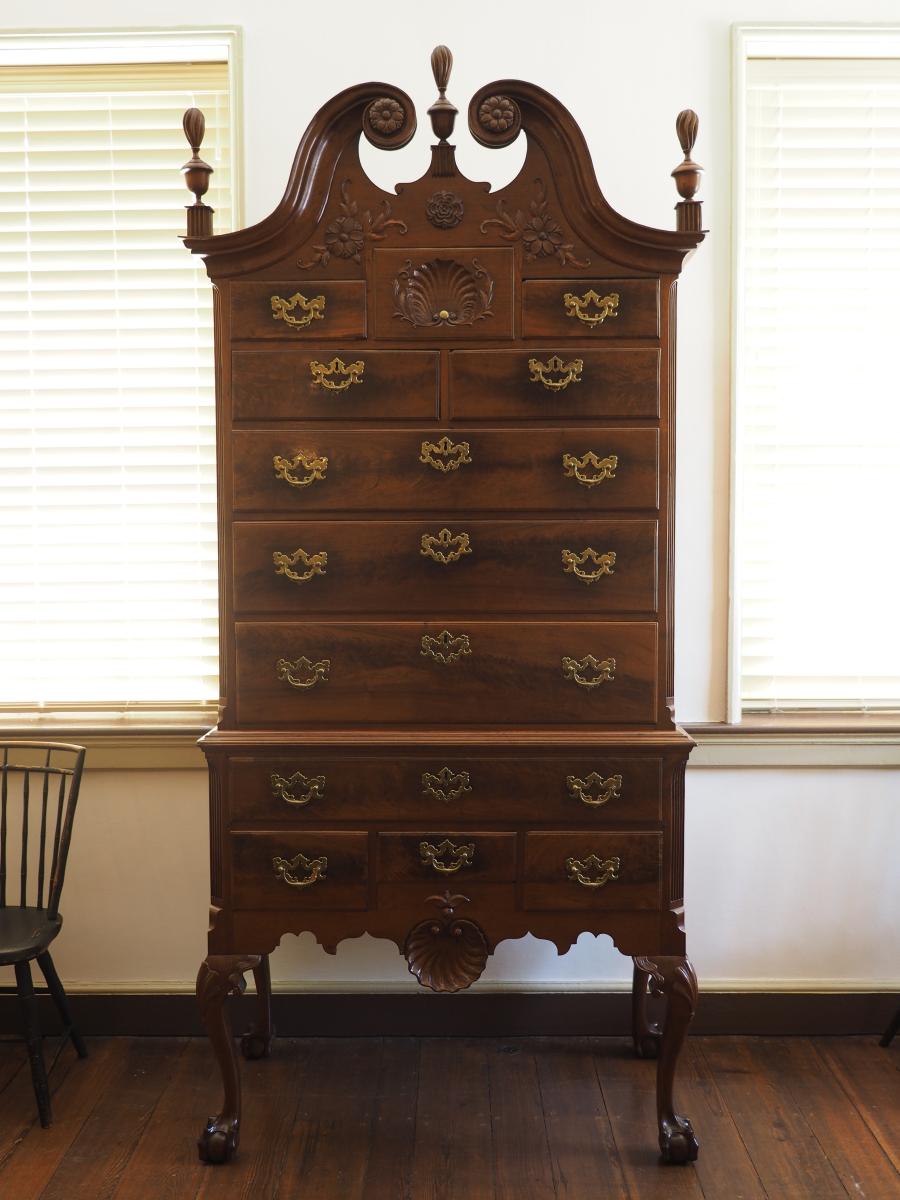
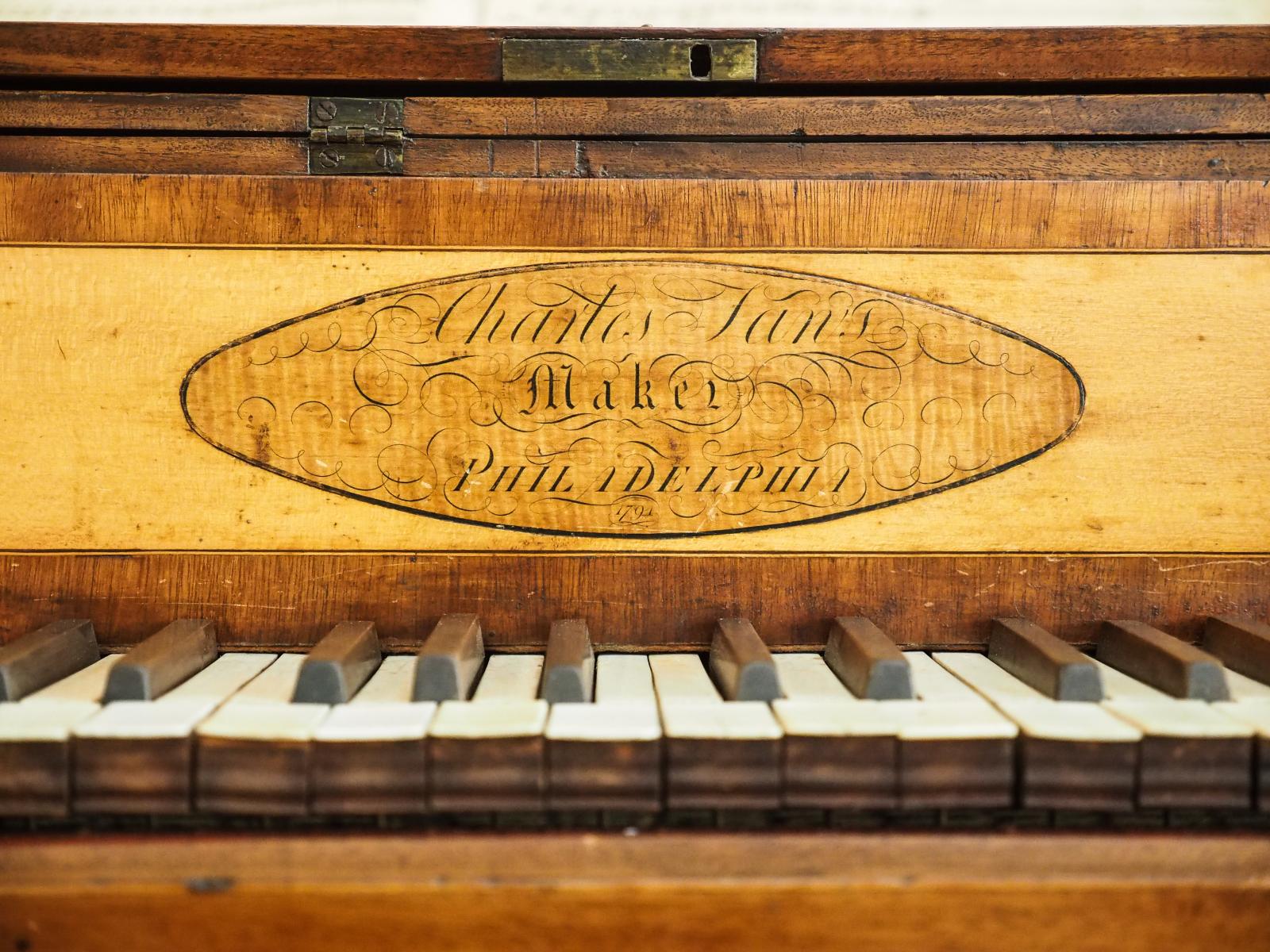
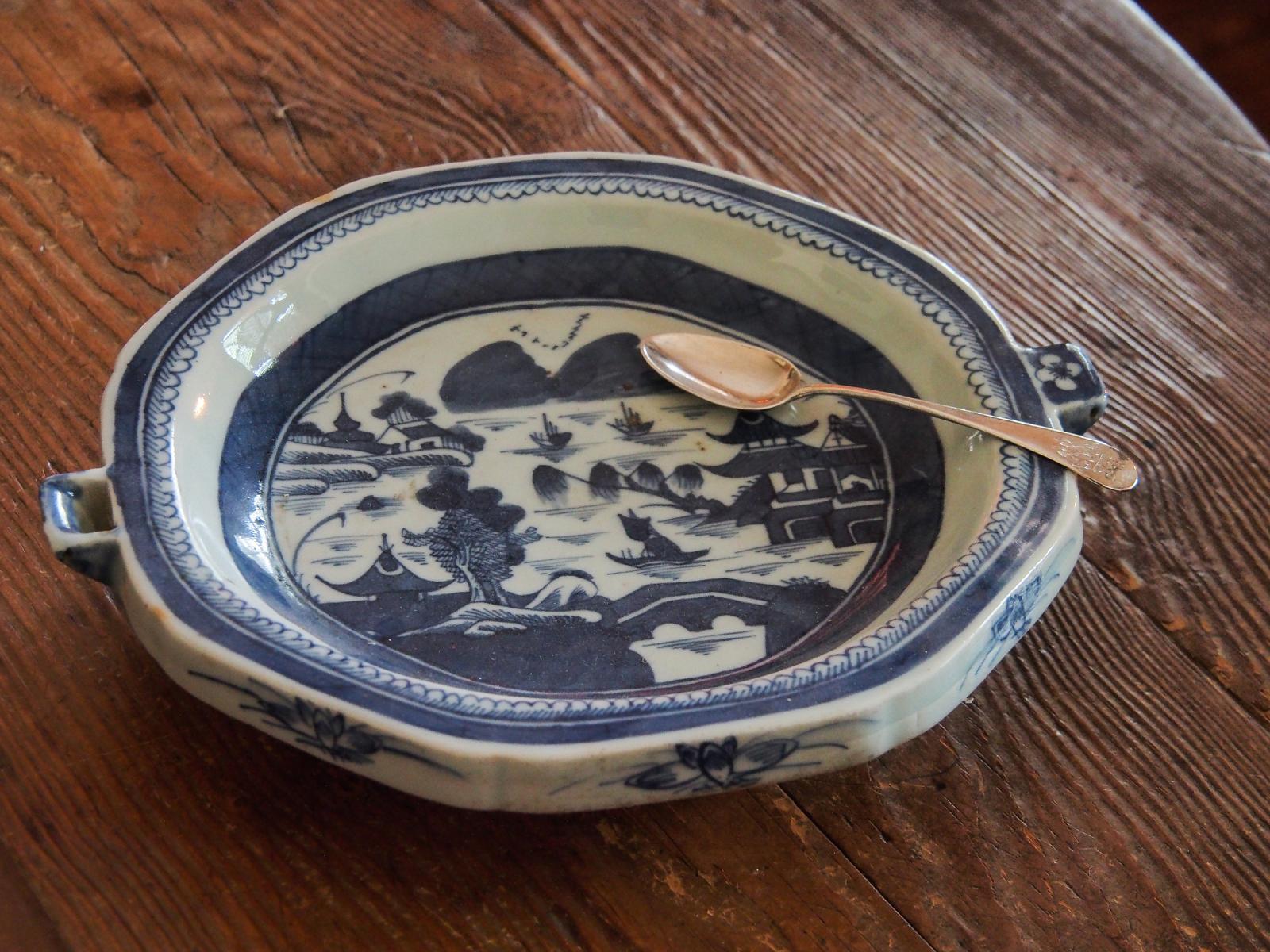
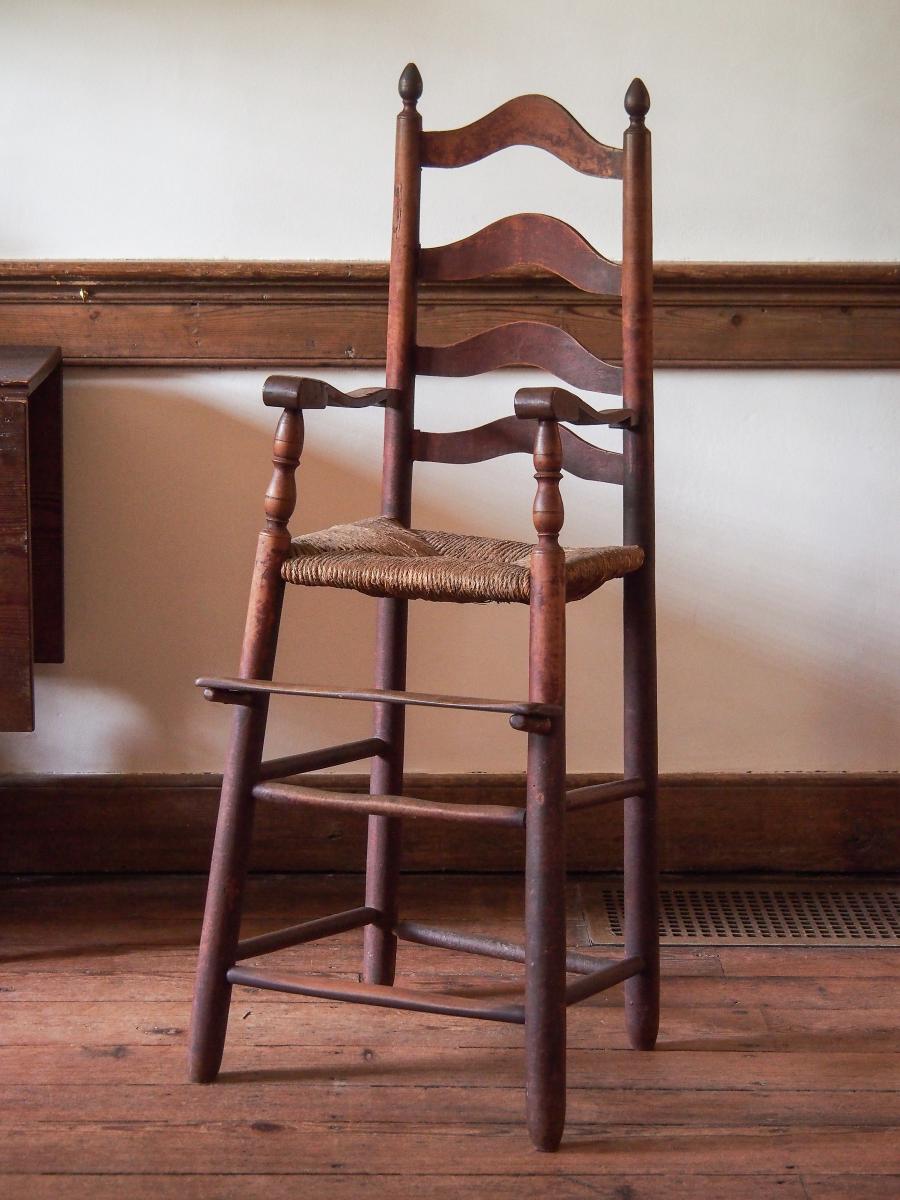
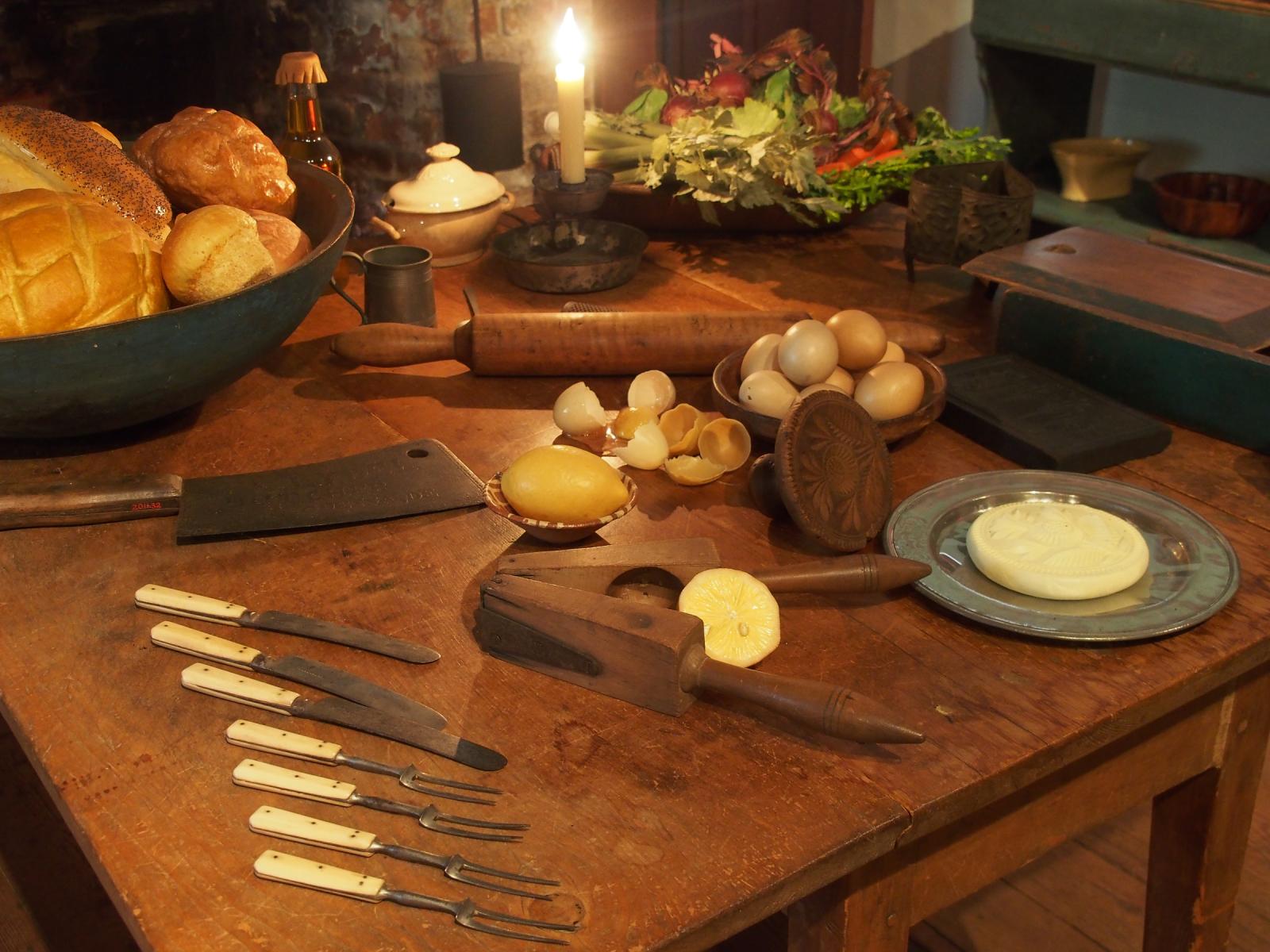
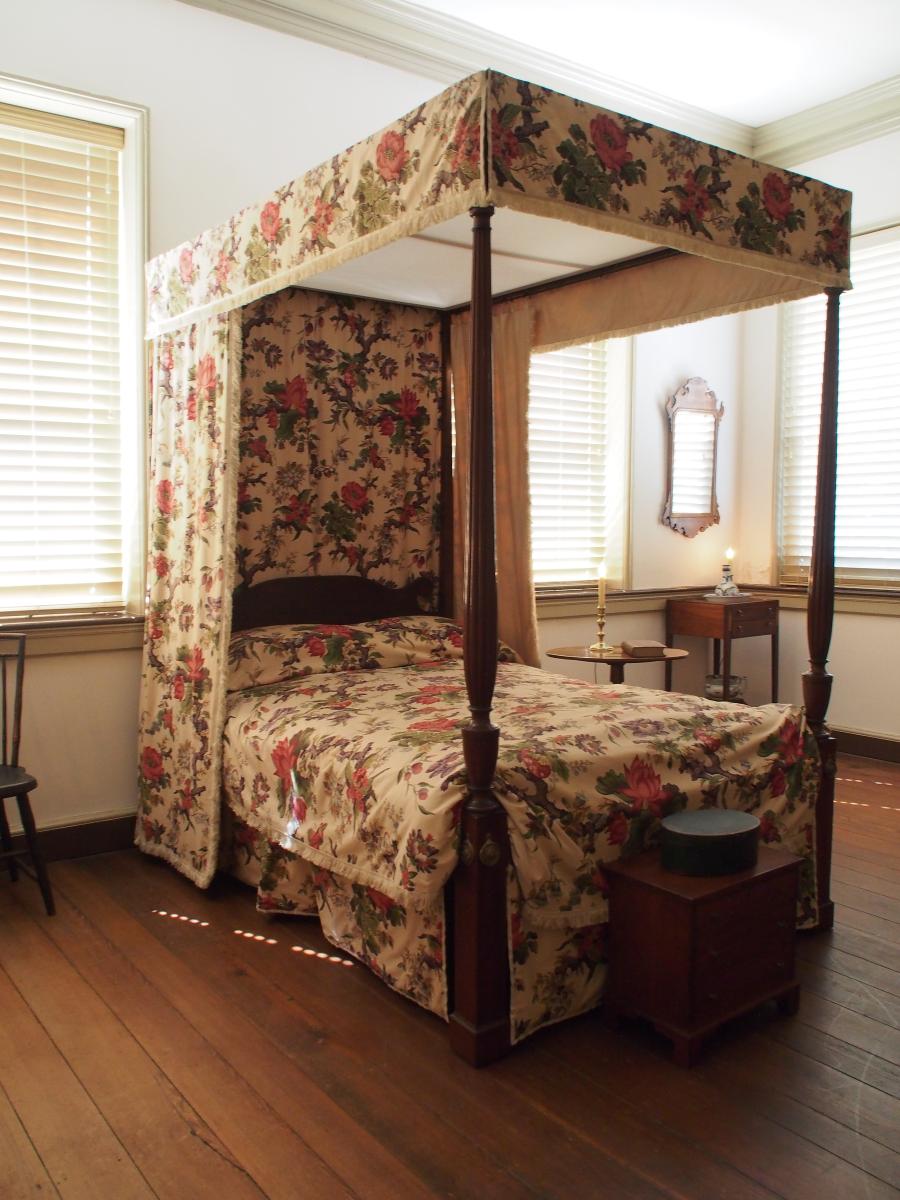
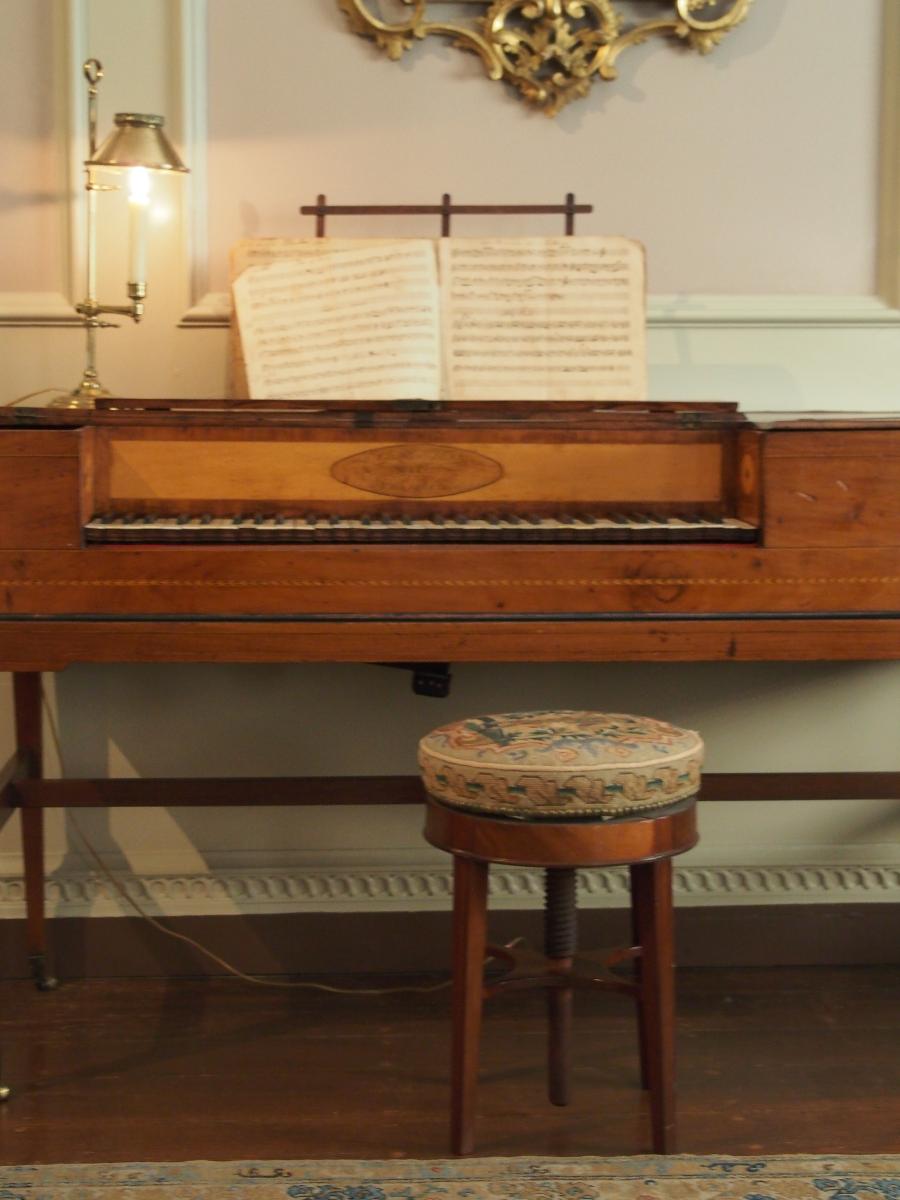
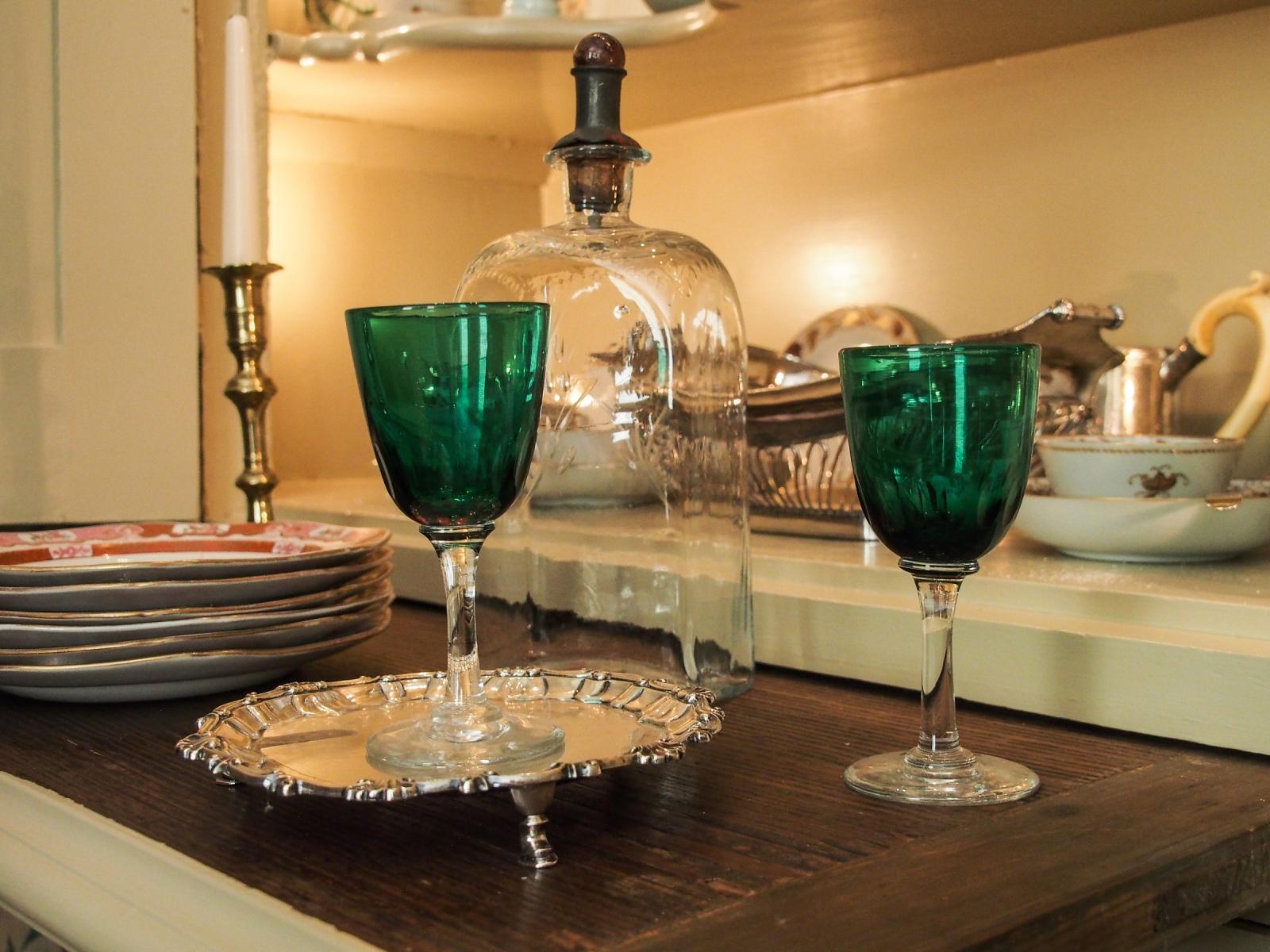
The Corbit-Sharp House is also one of the best documented historic houses in America and accurately reflects the region’s lifestyle in the late 18th century. It is interpreted using William Corbit’s 1818 inventory, preserved by his son Daniel, which lists furnishings for all the major rooms in the home and all the work completed by the builder.
The house has been designated as part of the National Underground Railroad Network to Freedom of the National Park Service and the Harriet Tubman Underground Railroad Byway due to a recorded encounter in 1845 at the Corbit-Sharp House when a fugitive enslaved person from Maryland named Sam begged the owner for refuge. Mary Corbit, wife of Daniel Corbit, an agent of the Underground Railroad, hid Sam behind a tiny door in the home’s attic to keep him from being discovered. He was eventually able to make his way north to Philadelphia, and later to freedom.
Photo Gallery